Si vous souhaitez acquérir le bateau le plus portable possible pour votre prochaine aventure, vous voudrez savoir comment un packraft gonflable se compare à un kayak gonflableVous constaterez des différences importantes en termes de poids, de portabilité et de performance. Les packrafts pèsent à peine 2,5 kg et se rangent dans un sac à dos, ce qui les rend parfaits pour les randonnées à pied ou à vélo jusqu'à l'eau. Les kayaks gonflables sont plus lourds, mais offrent une meilleure vitesse et un confort accru pour les longues sorties sur les lacs calmes. Si vous aimez les eaux vives ou si vous recherchez une option légère, optez pour un packraft. Pour les sorties en famille ou une navigation tranquille, un kayak gonflable est le choix idéal.
Points clés à retenir
- Les packrafts gonflables sont légers et faciles à transporter. Ils sont parfaits pour la randonnée et le vélo jusqu'à des points d'eau éloignés.
- Les kayaks gonflables sont plus rapides et plus confortables. Ils sont parfaits pour les sorties en famille et la navigation en eaux calmes.
- Optez pour un packraft pour les aventures plus exigeantes. Choisissez un kayak pour des sorties tranquilles entre amis ou en famille.
- Les packrafts se gonflent rapidement et se replient facilement. Les kayaks sont plus longs à installer mais peuvent contenir plus de matériel.
- Réfléchissez à votre style d'aventure et à votre budget avant de choisir un packraft ou un kayak. Cela vous aidera à trouver l'équipement qui vous convient le mieux.
Packraft ou kayak : comparaison rapide
Lorsque vous comparez un packraft et un kayak, vous recherchez un tableau comparatif rapide pour vous aider à choisir. Voici un tableau présentant les principales différences techniques entre les packrafts gonflables et les kayaks gonflables :
| Fonctionnalité | kayak gonflable | Packraft gonflable |
|---|
| Longueur | Plus long, souvent plus rapide grâce à la ligne de flottaison | Plus petit une fois gonflé |
| compressibilité | Se replie en format plus grand (par exemple, 24 po x 20 po). | Se replie sur lui-même pour un format plus compact (par exemple, 24 po x 10 po). |
| Matériel | PVC, robuste mais peut se perforer | Nylon enduit d'uréthane, très résistant |
| Poids | plus lourd | Plus léger |
| Utilisation prévue | Flatwater, voyages en famille | Voyages d'aventure en pleine nature, dans des endroits reculés et sauvages |
On constate que les kayaks gonflables offrent plus de vitesse et de confort en eau libre. Les packrafts gonflables sont idéaux lorsqu'on a besoin d'un modèle léger et robuste pour les milieux sauvages.
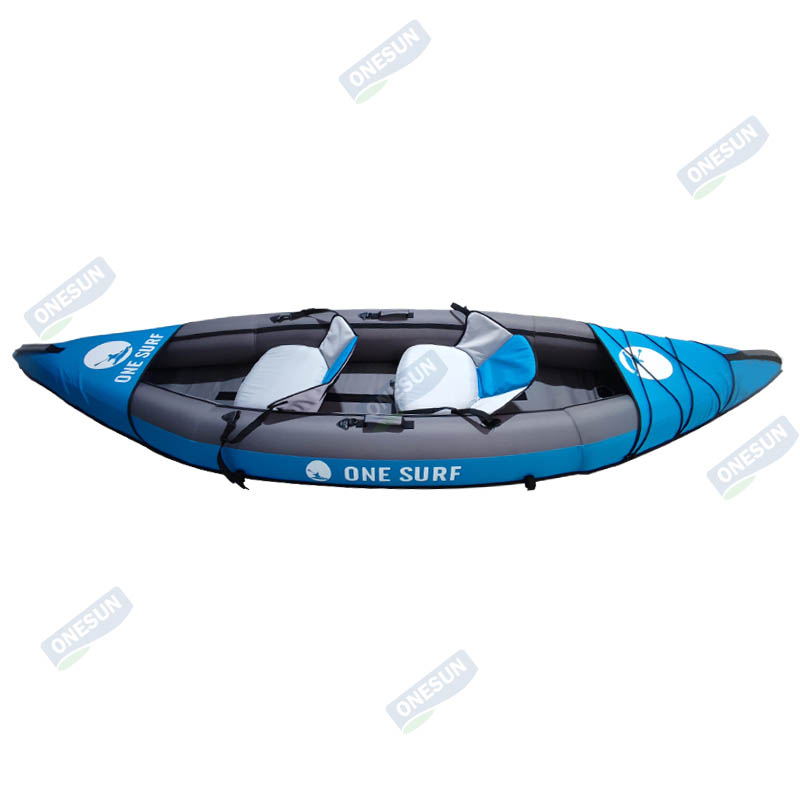
Principales différences
Décomposons les principales différences d'une manière facile à retenir :
- Les kayaks gonflables sont plus longs et offrent une meilleure stabilité directionnelle sur eau calme. Ils permettent d'atteindre des vitesses supérieures et une meilleure maniabilité sur les lacs et les rivières à faible courant.
- Les packrafts gonflables sont plus légers et plus compacts une fois pliés. Vous pouvez en transporter un dans votre sac à dos ou l'attacher à votre vélo.
- Les kayaks sont fabriqués en PVC, un matériau résistant mais susceptible d'être percé par des objets pointus. Les packrafts, quant à eux, sont fabriqués en nylon enduit d'uréthane, ce qui leur permet de mieux résister aux rochers et aux atterrissages difficiles.
- Les kayaks gonflables sont idéaux pour les sorties en famille, la pêche ou les balades relaxantes près de chez soi.
- Les packrafts sont conçus pour l'aventure. Vous pouvez partir en randonnée, à vélo ou explorer des endroits reculés, puis revenir en pagayant.
Conseil : Si vous souhaitez pagayer dans des endroits éloignés des routes, un packraft facilitera grandement votre voyage.
Pour qui chacun est le mieux adapté
Voici un tableau comparatif rapide pour vous aider à choisir le bateau qui correspond le mieux à vos projets :
Le choix entre un packraft et un kayak gonflable dépend de votre style d'aventure. Si vous souhaitez aller loin en voyageant léger, optez pour un packraft. Si vous privilégiez le confort et la maniabilité, choisissez un kayak gonflable.
Packraft gonflable : Portabilité et poids
Capacité de rangement pour la randonnée
Si vous aimez randonner jusqu'à des lacs ou des rivières isolés, il vous faut une embarcation qui ne vous ralentisse pas. Les packrafts gonflables sont la solution idéale. La plupart se roulent et se rangent dans un sac à dos classique. Certains modèles ultralégers tiennent même dans un sac à dos de jour, avec de la place en plus. Imaginez : marcher pendant des heures, puis sortir votre packraft gonflable et vous retrouver sur l'eau en quelques minutes. La liberté à l'état pur.
Les packrafts sont conçus pour l'aventure. On peut les porter sur le dos, les fixer à son vélo ou même les emporter avec son matériel de camping. Pour les longues randonnées, les packrafts sont le choix idéal grâce à leur légèreté et leur format compact. Les kayaks gonflables ne peuvent rivaliser en termes de taille et de portabilité. Voici un aperçu rapide de la facilité de transport de chaque type lors d'une excursion de plusieurs jours :
| Taper | Plage de poids (lb) | Portabilité |
|---|
| Packrafts | 6 - 19 | Très portable |
| kayaks gonflables | ~33 | Moins portable |
Conseil : Si vous prévoyez de randonner loin des routes ou de transporter votre embarcation sur des kilomètres, optez toujours pour un packraft. Vous ne le regretterez pas !
Comparaison des poids
Le poids est un facteur important en déplacement. Les packrafts gonflables pèsent généralement entre 3 et 8 kg. Certains modèles ultralégers pèsent seulement 1,5 à 3 kg. Même les packrafts les plus lourds pèsent moins de 6,8 kg. Vous pouvez donc porter votre packraft gonflable toute la journée sans être encombré.
Les kayaks gonflables, en revanche, sont beaucoup plus lourds. De nombreux modèles populaires pèsent entre 20 et 24 kg. C'est une différence considérable ! Les packrafts sont conçus pour se ranger facilement dans un sac à dos, ce qui permet de partir en randonnée, à vélo ou en voyage sans encombre. Leur légèreté et leur format compact en font le choix idéal pour ceux qui privilégient la portabilité.
- Packrafts gonflables : 3 à 8 kg (certains pèsent aussi peu que 1,5 kg)
- Kayaks gonflables : 20–24 kg (45–52 lbs)
- Les packrafts peuvent peser aussi peu que 5 livres (2,3 kg).
- Même les packrafts les plus lourds pèsent moins de 15 livres (6,8 kg).
Si vous souhaitez explorer des espaces sauvages, le packraft gonflable est l'outil idéal. Il offre une portabilité incomparable et la liberté d'aller où bon vous semble.
Kayaks gonflables : performance et vitesse
Manœuvres en eau calme
Si vous souhaitez pagayer sur des lacs calmes ou des rivières tranquilles, les kayaks gonflables sont parfaits. Vous constaterez qu'ils glissent en douceur sur l'eau. Leur coque longue et leur forme élancée leur permettent de garder le cap. De nombreux kayaks gonflables sont équipés d'une dérive ou d'un gouvernail, ce qui vous aide à maintenir votre trajectoire. Vous n'aurez plus à lutter contre le vent et pourrez ainsi vous détendre et profiter pleinement de votre sortie.
Voyons comment se comparent les kayaks gonflables et les packrafts gonflables en eau calme :
| Fonctionnalité | kayaks gonflables | Packrafts gonflables |
|---|
| Vitesse | Généralement plus rapides grâce à leurs coques plus longues | Ralentissez |
| Suivi | Meilleure tenue de cap avec des ailerons ou des gouvernails | Moins performant en matière de suivi |
| Résistance au vent | Le vent n'a pas autant d'influence | Le vent a plus d'influence |
| Efficacité en eau calme | Plus efficace pour les tournées | Moins efficace, surtout sur les grands lacs. |
Vous constaterez que les kayaks gonflables sont plus performants que les packrafts en eau calme. Leur conception leur permet d'avancer plus vite et de garder le cap. Si vous souhaitez pagayer sur une longue distance, un kayak est plus pratique. Les packrafts gonflables peuvent paraître lents et difficiles à maintenir en ligne droite.
Conseil : Si vous souhaitez pagayer principalement sur des lacs ou des rivières à faible courant, choisissez un kayak gonflable pour des performances optimales.
Suivi et vitesse
La vitesse est importante si vous voulez voir plus en moins de temps. Les kayaks gonflables sont plus rapides car ils sont plus longs et plus fins. Vous pouvez pagayer plus loin sans vous fatiguer. Ils offrent également une meilleure tenue de cap. Le kayak reste droit, même par vent fort. Vous n'avez pas besoin de corriger constamment votre direction.
Voici ce que vous obtenez avec un kayak gonflable :
- Plus rapide sur eau calme
- La trajectoire est meilleure, vous restez donc droit.
- Moins d'efforts pour les longs trajets
- Pagayer est plus facile, même par temps venteux.
Les kayaks gonflables offrent d'excellentes performances sur l'eau. Vous constaterez immédiatement la différence. Si vous recherchez une embarcation rapide et facile à utiliser, les kayaks gonflables sont le choix idéal pour la vitesse et la stabilité directionnelle.
Packraft vs kayak gonflable : stabilité et durabilité
La stabilité pour les débutants
Si vous débutez en kayak, vous recherchez une embarcation stable. Les packrafts gonflables, comme l'Alpacka Expedition, offrent une excellente stabilité en eaux vives. Vous vous sentirez en sécurité, même si vous n'avez jamais pratiqué le kayak auparavant. Leur fond large et plat vous aide à rester droit même par mer agitée. Beaucoup de débutants pensent qu'un packraft chavire, mais c'est rarement le cas.
Les kayaks gonflables sont également stables, mais ils sont plus adaptés aux lacs calmes et aux rivières à faible courant. Ils restent stables et offrent une bonne stabilité sur eau plate. Si vous souhaitez pagayer sur une eau calme, un kayak gonflable vous garantit une navigation agréable. Les packrafts sont plus adaptés aux eaux agitées ou changeantes, et sont donc plébiscités par les amateurs de sensations fortes.
Conseil : Si vous souhaitez explorer des rivières sauvages, un packraft vous permettra de vous sentir en sécurité grâce à sa grande stabilité.
Durabilité dans différentes conditions
Vous voulez que votre embarcation vous accompagne partout. Les packrafts et les kayaks gonflables sont tous deux fabriqués avec des matériaux résistants, mais chacun présente des avantages et des inconvénients.
- Les packrafts sont légers et robustes. Ils résistent aux chocs et aux éraflures, mais des objets pointus peuvent tout de même les percer pendant le transport.
- Les kayaks gonflables, comme l'AIRE BakRaft, sont robustes compte tenu de leur poids. Ils peuvent se déchirer en cas de choc contre des rochers en eau peu profonde, mais ils sont faciles à réparer.
- Les packrafts sont généralement plus faciles à réparer en mer. On peut les réparer rapidement et continuer à pagayer.
- De nombreuses marques de kayaks gonflables vous aideront en cas de besoin de réparations.
Si vous souhaitez pagayer dans des endroits rocailleux ou isolés, un packraft est plus facile à réparer. Pour les sorties en famille sur des eaux calmes, un kayak gonflable sera durable et confortable.
Kayak gonflable : confort et capacité
Confort d'assise
Dès qu'on s'installe dans un kayak gonflable, la différence est flagrante. Ces embarcations offrent plus d'espace pour étendre les jambes. On peut se détendre et pagayer pendant des heures sans se sentir à l'étroit. La plupart des kayaks gonflables sont équipés de sièges surélevés et de dossiers confortables. On peut ainsi se détendre et profiter pleinement de la balade. Certains modèles permettent même de régler le siège pour un confort optimal. Si vous prévoyez de passer beaucoup de temps sur l'eau, vous apprécierez sans aucun doute ces caractéristiques.
Voici quelques caractéristiques de confort que l'on retrouve souvent dans les kayaks gonflables :
- Plus d'espace pour les jambes pour les pagayeurs de grande taille
- Des sièges surélevés qui vous gardent au sec
- Dossiers de soutien pour une meilleure posture
- Possibilité de changer de position lors de longs trajets
Les packrafts peuvent paraître étroits, surtout si vous utilisez du matériel supplémentaire pour les eaux vives. Les kayaks gonflables offrent une expérience plus détendue, idéale pour les sorties en famille ou les parties de pêche.
Conseil : Si le confort est votre priorité, les kayaks gonflables rendent chaque excursion plus facile et plus agréable.
Rangement du matériel
Vous voudrez sans doute emporter des en-cas, des vêtements de rechange, voire du matériel de camping. Les kayaks gonflables simplifient tout. Ils offrent plus d'espace pour vos sacs et vos affaires. De nombreux modèles sont équipés de rangements derrière le siège ou à l'avant et à l'arrière. Vous pouvez ainsi préparer votre kayak pour une journée sur le lac ou un week-end d'aventure.
Comparons les capacités de stockage :
| Taper | Description de la capacité de stockage |
|---|
| Packrafts | Compact et portable, il peut se ranger dans de petits espaces comme une étagère de placard ou une poubelle. |
| kayaks gonflables | Ils nécessitent plus d'espace, notamment les modèles tandem, qui requièrent un sac de voyage ou un sac à roulettes plus grand. |
Les kayaks gonflables sont idéaux lorsqu'on se rend en voiture jusqu'à l'eau. Un grand sac de voyage ou un sac à roulettes suffit pour transporter le kayak et l'équipement. Ces embarcations sont moins pratiques à transporter lors de longues randonnées, mais elles sont parfaites lorsqu'on a besoin d'emporter beaucoup de matériel. Les packrafts tiennent dans un sac à dos, mais les kayaks gonflables offrent plus d'espace pour tout le reste.
- Les kayaks gonflables sont parfaits pour les excursions de voiture à l'eau.
- Vous disposez ainsi de plus d'espace pour les glacières, les cannes à pêche ou le matériel de camping.
- Les packrafts sont plus adaptés aux voyages légers et aux courtes aventures.
Si vous souhaitez emporter beaucoup de matériel, les kayaks gonflables vous aident à rester organisé et prêt à toute éventualité.
Packraft ou kayak : installation et rangement
Temps d'inflation
Vous souhaitez être rapidement sur l'eau. Les packrafts gonflables se gonflent généralement plus vite que les kayaks gonflables. La plupart des packrafts utilisent un simple sac de gonflage. Il suffit de prélever de l'air, de rouler le sac et de le remplir. Un packraft est prêt en 5 à 10 minutes environ. Certains modèles ultralégers se gonflent encore plus vite.
Les kayaks gonflables nécessitent souvent plus d'air. Leurs chambres à air sont plus grandes et leur coque plus longue. Vous pouvez utiliser une pompe à pied ou une pompe électrique. Le gonflage peut prendre entre 10 et 15 minutes. Si vous avez un kayak tandem, cela peut prendre un peu plus de temps. Vous passerez plus de temps à le gonfler, mais vous bénéficierez d'une embarcation plus spacieuse.
Conseil : Si vous souhaitez vous mettre à l'eau rapidement après une randonnée, un packraft gonflable vous fera gagner du temps et de l'énergie.
Besoins de stockage
Vous vous demandez peut-être où ranger votre embarcation chez vous. Les packrafts gonflables facilitent grandement le rangement. Une fois plié, un packraft atteint la taille d'un petit sac de couchage. Vous pouvez ainsi le ranger dans un placard, sous votre lit ou même sur une étagère. Si vous vivez en appartement, vous apprécierez son faible encombrement.
Les kayaks gonflables se rangent facilement, mais nécessitent un peu plus d'espace. La plupart tiennent dans un sac de sport ou un grand bac. Vous pouvez les ranger dans un placard ou un coin de votre appartement. Si vous avez une petite voiture, les deux options conviennent au coffre.
Voici un aperçu rapide des besoins en matière de stockage :
| Type de bateau | Taille typique emballée | Meilleurs endroits pour stocker |
|---|
| Packraft gonflable | petit sac de couchage | Placard, étagère, sous le lit |
| kayak gonflable | sac de sport ou grand bac | Placard, coin, coffre de voiture |
- Les packrafts gonflables sont parfaits pour les petits espaces.
- Les kayaks gonflables sont pratiques en appartement, mais nécessitent un peu plus d'espace.
Vous n'avez besoin ni de garage ni d'un grand abri pour votre embarcation. Vous pouvez pratiquer le canoë-kayak même en ville.
Coût et rapport qualité-prix : Packraft ou kayak gonflable ?
Gammes de prix
Lorsque vous achetez un nouveau bateau, le prix est un facteur important. Les packrafts gonflables et les kayaks gonflables ont des prix différents. Vous remarquerez peut-être que les packrafts coûtent plus cher, mais ils offrent des caractéristiques spécifiques pour l'aventure. Voici ce à quoi vous pouvez vous attendre en 2026 :
- Les packrafts gonflables coûtent généralement entre 1 000 et plus de 2 000 dollars. Certains modèles haut de gamme peuvent coûter encore plus cher.
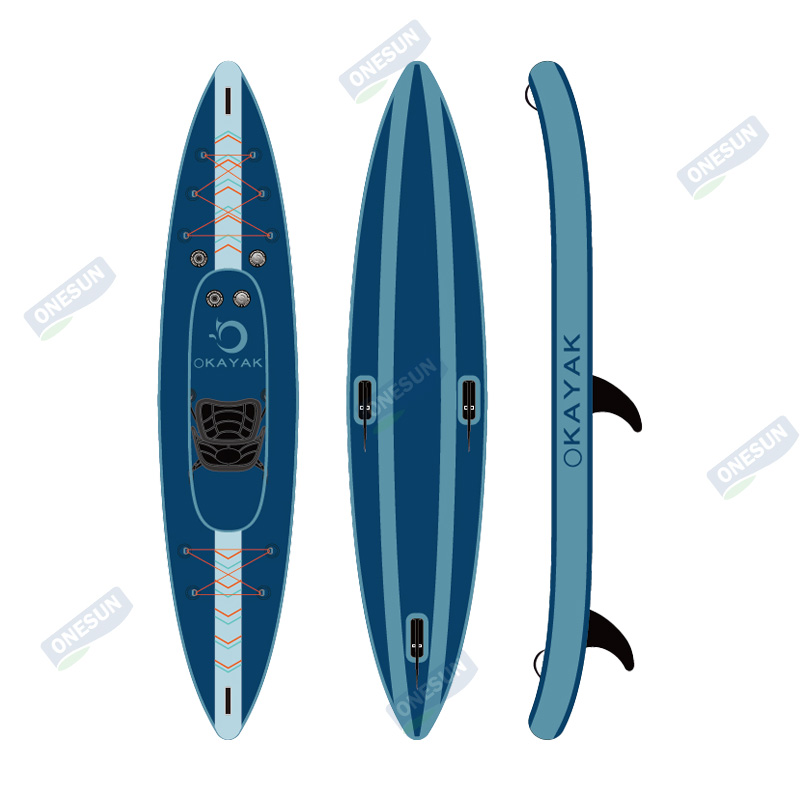
- Les kayaks gonflables coûtent entre 250 et 1 500 dollars. On trouve des modèles de base à moindre coût, mais les grandes marques comme… Kayak d'extérieur en PVC onesunsports proposer des options haut de gamme.
- Les accessoires comme les pagaies, les pompes et les gilets de sauvetage peuvent ajouter de 20 à 40 % à votre coût total.
Si vous souhaitez faire des économies, les kayaks gonflables offrent un plus grand choix à des prix plus abordables. Les packrafts gonflables coûtent plus cher, mais ils sont plus légers et plus faciles à transporter. Vérifiez toujours le contenu de la boîte : certaines marques incluent les pagaies et les pompes, tandis que d’autres les vendent séparément.
Conseil : Établissez votre budget avant de faire vos achats. N’oubliez pas d’inclure le coût des accessoires pour éviter les mauvaises surprises au moment de payer.
valeur à long terme
Vous souhaitez que votre kayak dure des années. Les kayaks gonflables sont fabriqués en PVC, un matériau résistant aux chocs, aux rayures et au soleil. Vous pouvez pagayer fréquemment sans vous soucier des dommages. De nombreux kayaks conservent leur valeur si vous en prenez soin.
Les packrafts gonflables sont également fabriqués avec des matériaux robustes. Certains, comme les packrafts en PVC de Kokopelli, offrent une durabilité équivalente à celle des kayaks, tout en étant plus compacts une fois pliés. Les packrafts en TPU sont plus légers, mais leur durée de vie peut être réduite en cas de navigation en eaux rocailleuses.
- Les kayaks gonflables offrent une grande durabilité et une bonne valeur de revente.
- Les packrafts en PVC offrent une robustesse similaire dans un format plus compact.
- Les Packrafts en TPU sont plus légers mais peuvent s'user plus rapidement.
Si vous souhaitez un kayak durable, privilégiez les modèles en PVC. Des marques comme Outdoor PVC Kayak (onesunsports) fabriquent des kayaks très résistants. Les packrafts gonflables sont idéaux pour transporter votre embarcation sur de longues distances, mais les kayaks gonflables offrent souvent un meilleur rapport qualité-prix sur le long terme.
Remarque : Prenez soin de votre bateau, et il prendra soin de vous, quel que soit le type choisi.
Sécurité et entretien : Packraft gonflable ou kayak ?
Dispositifs de sécurité
La sécurité est primordiale en kayak. Les packrafts et kayaks gonflables sont tous deux équipés de dispositifs de sécurité. Les kayaks gonflables sont souvent de couleurs vives pour une meilleure visibilité. Ils sont dotés de lignes de maintien et de plusieurs chambres à air. Si l'une d'elles éclate, les autres assurent la flottaison. Les packrafts gonflables possèdent un fond renforcé et des coutures robustes, garantissant la sécurité même en eaux agitées. De nombreux packrafts sont équipés de points d'ancrage pour le matériel, évitant ainsi que vos affaires ne tombent à l'eau en cas de chavirage.
Si vous débutez en kayak, un kayak gonflable vous semblera peut-être plus rassurant. Son fond large lui confère une bonne stabilité et facilite l'entrée et la sortie. Plus bas sur l'eau, il offre un meilleur équilibre. Les packrafts gonflables sont très sûrs en eaux vives, mais peuvent paraître instables en eau calme pour les débutants. Portez toujours un gilet de sauvetage et vérifiez votre embarcation avant de pagayer. Le port d'un casque et l'utilisation d'un sifflet sont recommandés pour une sécurité accrue, surtout en eaux vives.
Conseil : Prévenez quelqu’un de votre destination et de votre heure de retour. Cela contribue à votre sécurité lors de vos sorties en kayak.
Conseils d'entretien
Il est important d'entretenir son packraft ou son kayak gonflable. Cela garantit votre sécurité et prolonge la durée de vie de votre embarcation. Voici quelques étapes simples à suivre :
- Gonflez chaque chambre à air à la même pression. Ne dépassez pas 2,5 psi. Si la température change, vérifiez la pression et ajustez-la.
- Laissez l'air s'échapper en ouvrant toutes les vannes dans le bon ordre. Cela évite une surpression à un seul endroit.
- Vérifiez régulièrement la pression des pneus, surtout après une journée ensoleillée. Une pression trop élevée peut endommager les joints et compromettre la sécurité de votre bateau.
Après votre sortie en kayak ou en packraft gonflable, vérifiez l'état de votre embarcation. Utilisez les rustines et la colle adaptées au matériau. Nettoyez-la avant de la ranger. Vérifiez que les valves ne sont pas obstruées par du sable ou des impuretés, car cela peut provoquer des fuites. Laissez votre embarcation sécher complètement avant de la plier. Cela évitera la formation de moisissures et la gardera prête pour votre prochaine utilisation.
- Vérifiez l'état des dommages après chaque voyage.
- Utilisez le patch et la colle adaptés à votre bateau.
- Lavez et séchez votre bateau avant de le ranger.
- Vérifiez que les soupapes ne sont pas encrassées afin d'éviter les fuites.
En suivant ces conseils, votre kayak gonflable ou votre packraft gonflable durera plus longtemps et assurera votre sécurité. Les débutants trouveront peut-être les kayaks gonflables un peu plus faciles à entretenir, mais les deux types d'embarcations nécessitent un entretien régulier pour garantir votre sécurité sur l'eau.
Packraft ou kayak : meilleurs scénarios d’utilisation
Randonnée et aventure
Envie d'une longue randonnée suivie d'une descente de rivière ? Le packraft gonflable facilite ce genre d'excursion. Il se roule et se range dans un sac à dos. Léger comme un matelas de sol, il se déploie rapidement et vous permet de vous mettre à l'eau en un clin d'œil. Idéal pour les escapades hors des sentiers battus, le packraft est facile à transporter.
Voici un comparatif des packrafts et des kayaks gonflables pour l'aventure :
| Fonctionnalité | Packrafts | kayaks gonflables |
|---|
| Poids | 5 à 13 lb | 20 à 40 lb |
| Volume emballé | Semblable à un matelas de sol | plus volumineux |
| Portabilité | Sac à dos portable | Idéal pour les sorties en voiture |
| Temps de préparation | Gonflage/dégonflage rapide | Configuration plus lente |
| Conditions de l'eau | Agile pour les classes I à III | Agilité limitée |
Le packraft est idéal pour la randonnée, le vélo ou les voyages légers. Le kayak gonflable est plus confortable si vous vous rendez en voiture au point d'eau. Si vous souhaitez combiner randonnée et pagaie, le packraft vous permet d'aller partout.
Conseil : Envie d'une nouvelle aventure aquatique loin de la foule ? Emportez un packraft gonflable léger et partez à l'aventure.
Sorties en famille
Vous prévoyez une journée au lac en famille ? Les kayaks gonflables rendent les sorties en famille amusantes et faciles. Vous bénéficiez de plus d'espace, de sièges confortables et d'une navigation stable. Petits et grands peuvent se détendre et profiter ensemble de l'eau. Vous pouvez emporter des en-cas, des jouets et même votre chien. Les kayaks gonflables peuvent supporter un poids plus important, vous n'aurez donc rien à laisser derrière vous.
Voyons comment les kayaks gonflables et les packrafts conviennent aux familles :
| Fonctionnalité | kayaks gonflables | Packrafts gonflables |
|---|
| Confort | Plus d'espace pour les jambes, sièges surélevés, dossiers offrant un bon soutien | Intérieur plus exigu, surtout avec les aménagements |
| Sécurité | Chambres à air multiples, fonctions de stabilité | Plus portable mais moins stable pour les familles |
| Capacité de charge | Des charges utiles plus importantes pour les sorties en famille | Capacité de charge surprenante compte tenu du poids, mais espace limité. |
Les kayaks gonflables offrent plus de sécurité et de confort aux familles. Leur large base assure une bonne stabilité, même si les enfants bougent. Vous pouvez pagayer ensemble et profiter du plein air en toute sérénité. Les packrafts sont plus adaptés aux excursions en solitaire ou aux petits groupes qui souhaitent voyager léger.
Remarque : Pour une journée de détente en famille, choisissez un kayak gonflable pour plus de confort et de tranquillité d'esprit.
Eaux vives
Envie de pagayer sur des rivières tumultueuses ? Les packrafts et les kayaks gonflables sont tous deux adaptés aux eaux vives, mais les sensations sont différentes. Les packrafts avec pont permettent de franchir des rapides jusqu'à la classe 4. Ils offrent une bonne maniabilité et permettent d'éviter les rochers. Bien qu'ils n'offrent pas la même stabilité latérale que les kayaks rigides, les packrafts restent performants même en eaux agitées.
Les packrafts à pont peuvent affronter des eaux vives jusqu'à la classe 4, mais leur maniabilité est moins bonne que celle des kayaks classiques. Les kayaks gonflables, plus robustes et stables, sont plus adaptés aux passages difficiles.
Pour naviguer en rapides de classe 3, les packrafts autovideurs sont une bonne option. Attention cependant, ils peuvent se remplir d'eau lors de fortes vagues et entraîner une perte de contrôle. Les kayaks gonflables offrent un meilleur équilibre et une plus grande maniabilité en eaux vives techniques. Ils vous rassureront davantage si vous débutez en eaux vives.
Les packrafts autovideurs sont plus adaptés aux eaux vives de classe 3 car ils peuvent se remplir d'eau et devenir incontrôlables. Les kayaks gonflables sont plus stables et plus performants en eaux vives difficiles.
Pour votre première descente en eaux vives, optez pour un kayak gonflable. Si vous préférez explorer des rivières sauvages et transporter votre embarcation, choisissez un packraft.
Acheteurs à petit budget
Vous cherchez la meilleure offre ? Les kayaks gonflables vous offrent plus de choix à moindre coût. Vous pouvez trouver un bon kayak pour moins de 500 $. Ces embarcations sont idéales pour les loisirs, les sorties en famille et une navigation facile. Vous bénéficiez de confort et d'espace sans vous ruiner.
Les packrafts gonflables coûtent plus cher car ils sont plus légers et plus compacts une fois pliés. Si vous avez besoin d'une embarcation pour de grandes aventures, cet investissement supplémentaire est justifié. Si vous souhaitez vous initier au kayak sans vous ruiner, optez pour un kayak gonflable.
Voici un guide rapide pour les acheteurs à petit budget :
- Choisissez un kayak gonflable si vous recherchez le meilleur rapport qualité-prix et un confort optimal pour vos excursions.
- Choisissez un packraft si vous avez besoin de l'embarcation la plus légère pour la randonnée et les aventures en pleine nature.
Conseil : Essayez de louer les deux types avant d’acheter. Vous verrez ainsi lequel convient le mieux à vos voyages et à votre budget.
Vous pouvez prendre plaisir à pagayer et à explorer quel que soit le bateau choisi. Réfléchissez à votre destination et à votre mode de transport. Un bateau adapté vous permettra de profiter pleinement de chaque excursion.
Vous souhaitez choisir le meilleur bateau pour votre excursion. Si la facilité de transport est importante pour vous, optez pour un packraft gonflable. Léger et simple à ranger, il est idéal pour les sorties en famille ou les longues balades. Consultez ce tableau comparatif :
| Facteur | kayak gonflable | Packraft gonflable |
|---|
| Confort | Haut | Modéré |
| Portabilité | Modéré | Haut |
| Transport de matériel | Haut | Modéré |
| Coût | Variable | Variable |
Si possible, essayez les deux bateaux avant d'en acheter un. Réfléchissez à ce que vous souhaitez faire en priorité. Cela vous aidera à choisir le bateau qui vous convient le mieux.
FAQ
Quelle est la principale différence entre un kayak gonflable et un packraft gonflable ?
Vous constaterez que les kayaks gonflables offrent plus de vitesse et de confort sur eau calme. Les packrafts gonflables sont plus légers et plus compacts. Vous pouvez les transporter dans votre sac à dos. Les kayaks sont plus adaptés aux sorties en famille et aux balades tranquilles.
Puis-je utiliser un packraft gonflable pour pêcher ?
Oui, on peut pêcher depuis un packraft gonflable. C'est une embarcation légère qui permet d'atteindre des endroits reculés. L'espace pour le matériel est peut-être plus restreint que dans un kayak gonflable, mais on peut tout de même profiter de la pêche en pleine nature.
Combien de temps faut-il pour installer un kayak gonflable ou un packraft ?
La plupart des packrafts gonflables se gonflent en 5 à 10 minutes. Les kayaks gonflables nécessitent généralement 10 à 15 minutes en raison de leurs chambres à air plus grandes. Si vous souhaitez être rapidement sur l'eau, un packraft vous fera gagner du temps.
Quel est le plus sûr pour les débutants : un kayak gonflable ou un packraft gonflable ?
Si vous débutez en kayak, vous vous sentirez plus en sécurité dans un kayak gonflable. Grâce à leur large base et à leur faible profondeur d'immersion, les kayaks offrent une meilleure stabilité et un confort accru. Les packrafts, quant à eux, sont stables en eaux agitées, mais peuvent paraître instables sur les lacs calmes.



 IPv6 RÉSEAU PRIS EN CHARGE