Type de planche à pagaie | Épaisseur (pouces) | Volume et soutien |
|---|
Gonflable | Plus de 6 ans | Plus de volume, supporte les cyclistes plus lourds |
Solide | 4-6 | Plus léger, plus efficace sur les longues distances |
Conseil: Si vous prévoyez de pagayer en famille ou d'emporter du matériel supplémentaire, le volume plus important et le poids plus léger d'une planche gonflable peuvent rendre vos sorties plus faciles et plus sûres.
Principaux avantages et inconvénients
Lorsque vous comparez une planche de paddle gonflable à une planche rigide, vous devez peser le pour et le contre de chaque type. Vos priorités — portabilité, performance, durabilité et adéquation à l'utilisateur — guideront votre choix.
Planches à pagaie gonflables
Avantages :
Les planches de paddle gonflables se dégonflent et s'enroulent facilement, se rangeant ainsi dans un sac à dos compact. Cette caractéristique les rend idéales pour les espaces de rangement limités et facilite leur transport en voiture, en bus ou en avion.
Les planches de paddle gonflables offrent un volume plus important, supportant ainsi les personnes plus corpulentes et assurant une stabilité accrue. Les débutants et les familles privilégient souvent cette option.
Les progrès réalisés en matière de matériaux et de fabrication ont permis d'améliorer la durabilité. Les planches gonflables peu utilisées peuvent durer plus de cinq ans, et celles utilisées fréquemment peuvent durer de trois à cinq ans.
Inconvénients :
Vous constaterez peut-être une vitesse et une glisse moindres qu'avec une planche de paddle rigide. Sa conception plus épaisse crée une plus grande résistance dans l'eau.
Les planches de paddle gonflables nécessitent d'être gonflées et dégonflées avant et après chaque utilisation. Ce processus ajoute du temps et des efforts à votre routine de paddle.
Planches à pagaie solides
Avantages :
Les planches de paddle rigides offrent des performances supérieures. Vous bénéficiez d'une meilleure vitesse, d'une glisse accrue et d'une maniabilité améliorée, notamment lors des longues sorties ou des compétitions.
Vous n'avez pas besoin de gonfler ni de dégonfler la planche. Il vous suffit de la prendre et de partir, ce qui vous fait gagner du temps et de l'énergie.
Les planches de paddle rigides offrent souvent une meilleure réactivité sous les pieds, ce qui séduit les pagayeurs confirmés en quête de précision.
Inconvénients :
Il vous faudra trouver un espace de rangement suffisant pour les planches de paddle rigides. Leur taille et leur poids les rendent difficiles à transporter, surtout si vous vivez en appartement ou si vous voyagez fréquemment.
Les planches rigides peuvent être plus lourdes et plus difficiles à transporter. Vous aurez peut-être besoin de barres de toit ou de porte-planches spécifiques pour votre véhicule.
Note: Lorsque vous comparez les planches de paddle gonflables et rigides, tenez compte de votre style de vie et de vos objectifs de pratique. Si vous privilégiez la praticité et la polyvalence, les planches gonflables sont peut-être la solution idéale. Si vous privilégiez la performance et la réactivité, les planches rigides offrent des avantages indéniables.
Ce comparatif détaillé vous permettra d'évaluer les avantages et les inconvénients respectifs des planches de paddle gonflables et rigides. Il met en lumière les points forts et les faiblesses de chaque type, vous aidant ainsi à faire un choix éclairé.
Performance : Planches de paddle gonflables vs rigides
Vitesse et glisse
Lorsque vous comparez les planches de paddle gonflables et rigides, vous constatez des différences notables en termes de vitesse et de glisse. Les planches rigides excellent dans ces domaines grâce à leur construction rigide qui réduit la flexion et la résistance à l'eau. Vous constaterez qu'une planche rigide se déplace plus vite et glisse plus loin à chaque coup de pagaie. Cet avantage fait des planches rigides le choix idéal pour la compétition et le surf, où chaque seconde compte. Les planches de paddle gonflables, bien qu'efficaces pour une utilisation récréative, ont tendance à se déformer sous la pression. Cette déformation peut vous ralentir et réduire vos performances globales. Même la meilleure planche gonflable, comme la Portager, est environ 5 à 20 % plus lente qu'une planche rigide. Si vous recherchez des performances optimales en surf ou pour les longues distances, une planche rigide vous offre l'avantage décisif.
Les planches rigides offrent une vitesse et une glisse supérieures.
Les planches de paddle gonflables sont généralement plus lentes et moins réactives.
La construction rigide en panneaux massifs améliore l'efficacité des activités à hautes performances.
Stabilité et maniabilité
La stabilité et la maniabilité sont essentielles pour tout pratiquant de paddle, surtout lorsqu'on compare les planches gonflables et les planches rigides. Les planches gonflables offrent souvent une meilleure stabilité, particulièrement pour les débutants et les familles. Leur forme plus large et leur conception plus épaisse facilitent l'équilibre. Un gonflage adéquat (15-20 PSI) garantit leur rigidité, mais il est indispensable de vérifier la pression avant chaque utilisation. Les planches rigides, quant à elles, offrent une rigidité naturelle et une maniabilité précise. Elles fendent l'eau avec une résistance minimale, ce qui améliore la manœuvrabilité.
Fonctionnalité | Planches à pagaie gonflables | Planches solides |
|---|
Stabilité | Peut être aussi stable, voire plus stable, selon sa conception. | Généralement stable, mais variable selon le modèle |
Largeur | Des options plus larges sont disponibles pour une meilleure stabilité. | Variable, souvent plus étroit |
Épaisseur | Généralement 6 pouces d'épaisseur pour un volume élevé | Variable, souvent plus mince |
Rigidité | Nécessite un gonflage correct (15-20 PSI) | Naturellement rigide |
Configuration des ailerons | Un aileron central plus grand ou une configuration à trois ailerons améliore la stabilité | Configurations d'ailerons standard |
Confort | Pont plus souple pour plus de confort pour les genoux et les animaux de compagnie | Surface plus dure |
Vous apprécierez peut-être aussi le fait que les planches gonflables amortissent les petites vagues, offrant ainsi une navigation plus douce et un confort accru.
Meilleures activités pour chaque type
Le choix entre une planche de paddle gonflable et une planche rigide dépend de vos activités préférées. Pour la compétition, le surf ou les longues distances, une planche rigide offre les meilleures performances : vitesse, maniabilité et glisse optimales. Pour le yoga, la pêche ou les sorties en famille, les planches gonflables sont idéales. Leur surface plus large et plus souple assure stabilité et confort. De nombreuses planches gonflables sont dotées de surfaces antidérapantes et de points d'attache pour l'équipement, ce qui les rend parfaites pour le sport et les loisirs.
Conseil: Choisissez une planche de paddle gonflable à nez plat pour le yoga ou la pêche. Pour la randonnée ou la compétition, privilégiez une planche rigide à nez pointu pour une performance optimale.
Vous pouvez adapter votre planche à vos objectifs et profiter d'une expérience optimale sur l'eau, que vous privilégiiez la performance en surf ou la stabilité pour les activités de groupe.
Portabilité et rangement des SUP gonflables
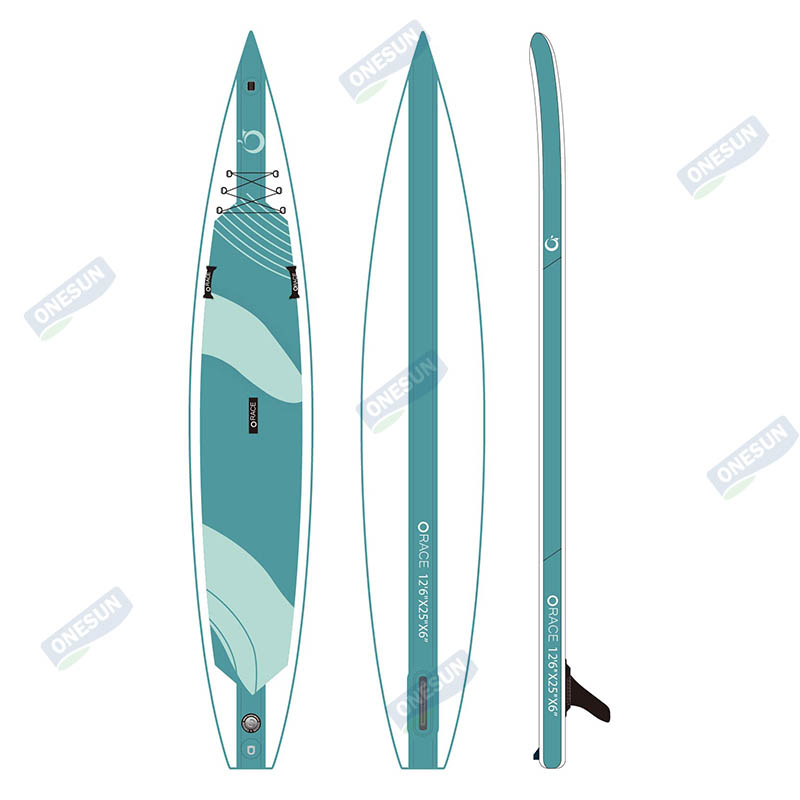
Transports et voyages
Vous apprécierez la portabilité d'un planche gonflable Si vous voyagez souvent ou avez un mode de vie actif, les planches de paddle gonflables sont idéales. Plus légères que les planches rigides, elles sont faciles à transporter. Vous pouvez les ranger dans un sac à dos compact, ce qui vous permet de les enregistrer comme bagage en avion ou de les ranger dans le coffre d'une petite voiture. Cette flexibilité vous permet d'explorer de nouveaux cours d'eau sans vous soucier des contraintes logistiques.
Vous pouvez transporter une planche de SUP gonflable dans les transports en commun ou même à vélo.
Les planches de paddle gonflables sont légères et faciles à emballer pour les voyages en avion.
Vous pouvez fixer une planche de SUP gonflable à l'aide de sangles robustes si vous choisissez de la transporter sur le toit d'un véhicule.
Les planches massives nécessitent plus d'espace et une manipulation soigneuse, souvent un plateau de camion ou une galerie de toit.
Vous constaterez que les modèles de SUP gonflables sont faciles à ranger et à transporter, ce qui en fait un choix privilégié pour les aventuriers et les voyageurs.
Besoins de stockage
Pas besoin de garage ni de grand espace de rangement pour un SUP gonflable. Après votre session, dégonflez-le et rangez-le dans un sac de sport ou un sac à dos. Son format compact vous permet de le ranger derrière un meuble, dans un placard ou même sous un lit. Votre équipement reste ainsi discret et vous gagnez un espace précieux.
Les planches de SUP gonflables peuvent être pliées et tenir dans un grand sac de sport.
Vous pouvez ranger votre SUP gonflable dans des petits espaces comme les placards ou les coins.
Les panneaux rigides nécessitent un espace de stockage conséquent et sont généralement fixés sur des supports muraux ou stockés dans des garages.
Les planches de paddle gonflables offrent des options de rangement compactes, ce qui les rend idéales pour les appartements ou les maisons disposant d'un espace limité.
Si vous vivez dans un petit appartement ou disposez de peu d'espace de rangement, vous apprécierez la facilité de rangement et de transport d'un SUP gonflable. Vous pourrez ainsi profiter du paddle sans sacrifier l'espace ni le confort.
Durabilité et entretien : planches de paddle gonflables vs planches rigides
Résistance aux chocs
Il est important de prendre en compte la façon dont votre planche se comporte face aux chocs, aux chutes et aux conditions difficiles. Les planches de paddle gonflables offrent une résistance aux impacts impressionnante. Leur conception à air absorbe les chocs, vous permettant ainsi de rebondir sur les rochers ou les débris sans dommages importants. Cet atout est particulièrement appréciable pour les débutants et les familles. Vous constaterez qu'une planche rigide réagit différemment. En cas de choc contre un rocher ou de chute, elle peut se fissurer ou s'ébrécher. Ces inconvénients rendent une planche rigide moins tolérante aux intempéries dans des environnements imprévisibles. Si vous pagayez en rivière ou sur des lacs rocailleux, les planches de paddle gonflables vous offrent une tranquillité d'esprit totale.
Longévité et réparations
Vous souhaitez que votre planche dure le plus longtemps possible. Sa longévité dépend de sa qualité et de son entretien. Les planches de paddle gonflables de haute qualité peuvent durer de 7 à 10 ans avec un entretien adéquat. Les modèles d'entrée de gamme ne durent généralement que 2 à 3 ans. Une planche rigide dure généralement plus longtemps, mais elle est plus sensible aux chocs. Il est important de bien peser le pour et le contre de chaque type de planche avant d'envisager des réparations.
Les planches de paddle gonflables de haute qualité peuvent durer de 7 à 10 ans.
Les planches de paddle gonflables bon marché peuvent ne durer que 2 à 3 ans.
Une planche rigide dure souvent plus longtemps, mais elle est plus vulnérable aux fissures et aux chocs.
Réparer sa planche requiert des compétences différentes. Il faut une colle spéciale pour les crevaisons des planches gonflables. Les réparations peuvent être délicates et prendre du temps. Une planche rigide permet de réparer plus facilement les petits chocs superficiels, mais les fissures nécessitent de la résine et une attention particulière. Le tableau ci-dessous compare les différentes méthodes de réparation et d'entretien :
Type de planche | Complexité de la réparation | Notes de maintenance |
|---|
planches de paddle gonflables | Nécessite des techniques spécifiques pour les ponctions | Difficile à réparer ; nécessite de la colle de réparation pour vinyle |
panneau dur | Plus facile à réparer avec des réparations superficielles | Les éraflures par compression sont superficielles ; résine pour les fissures |
Conseil: Vous pouvez prolonger la durée de vie des deux types en les rinçant après utilisation, en les rangeant à l'abri de la lumière directe du soleil et en vérifiant régulièrement s'ils sont endommagés.
Vous devez choisir la planche qui correspond le mieux à votre style de vie et à vos compétences en réparation. Les avantages et les inconvénients de chaque option vous aideront à faire un choix judicieux en termes de durabilité et d'entretien.
Prix et valeur des planches de paddle rigides et gonflables
Coût initial
Lorsque vous cherchez une planche de SUP, vous constaterez une nette différence de prix initial entre les planches gonflables et les planches rigides. La plupart des planches gonflables coûtent moins cher. Les matériaux et les méthodes de fabrication des planches rigides, comme la fibre de verre et l'époxy, expliquent leur prix plus élevé. Il faut également tenir compte des contraintes de stockage et du risque de dommages, qui peuvent alourdir la facture à long terme.
Voici un aperçu rapide des fourchettes de prix typiques pour les meilleures options de SUP :
Les planches de paddle rigides se situent généralement dans le haut de gamme. Leur prix plus élevé s'explique par des performances avancées et des matériaux haut de gamme. Les planches gonflables, quant à elles, offrent généralement une option plus abordable, ce qui les rend intéressantes si vous souhaitez profiter pleinement du SUP sans investir une somme importante au départ.
Note: Les planches de paddle rigides peuvent nécessiter des équipements supplémentaires, tels que des barres de toit ou des solutions de rangement, ce qui augmente le coût total.
valeur à long terme
Vous souhaitez savoir comment votre investissement dans une planche de SUP de qualité se comporte au fil du temps. Les planches rigides conservent généralement mieux leur valeur que les planches gonflables, surtout si vous optez pour un modèle en composite rigide. Le marché de l'occasion pour les planches rigides reste dynamique, avec des taux de dépréciation inférieurs à ceux des gonflables. Les planches gonflables haut de gamme offrent toujours un bon rapport qualité-prix, mais les modèles d'entrée de gamme perdent rapidement de la valeur.
Le tableau ci-dessous compare la valeur à long terme des meilleurs choix de supérettes :
Type de carte | Gamme de prix d'origine | Valeur de revente moyenne (2 ans) | Taux de dépréciation |
|---|
Composite rigide | 800 $ – 1 800 $ | 500 $ à 1 200 $ | 30 à 40 % |
Gonflable premium (iSUP) | 900 $ – 1 500 $ | 550 $–900 $ | 40 à 50 % |
Gonflable économique | 300 $–600 $ | 120 $–250 $ | 50 à 60 % |
Si vous envisagez d'acheter une planche de SUP plus performante à l'avenir, les modèles rigides offrent un meilleur retour sur investissement. Cependant, les planches gonflables restent une excellente option si vous privilégiez la portabilité et la praticité.
Qui devrait choisir une planche de paddle gonflable ou rigide ?
Débutants et utilisateurs occasionnels
Si vous débutez en paddle ou si vous pratiquez occasionnellement, vous recherchez une planche stable, sûre et pratique. Les paddles gonflables sont particulièrement adaptés aux débutants. Leur légèreté facilite le transport et la mise à l'eau. Une fois dégonflés, ils se rangent facilement, vous évitant ainsi de devoir trouver de la place pour une grande planche rigide. De nombreux modèles présentent une forme plus large et un volume important, favorisant l'équilibre et la sécurité sur l'eau. Privilégiez les planches robustes, avec un pont souple et des sandows de sécurité. Ces caractéristiques améliorent la sécurité et le confort, surtout si vous prévoyez de pagayer avec des enfants ou des animaux.
Portable et facile à transporter
Un simple rangement dans les appartements ou les voitures
Fonctions de stabilité et de sécurité améliorées
Voyageurs et résidents d'appartements
Vous voyagez peut-être souvent ou vivez dans un petit appartement. Les planches de paddle gonflables s'adaptent parfaitement à votre mode de vie. Elles se rangent dans des sacs compacts et se glissent facilement dans un placard ou le coffre de votre voiture. De nombreux modèles sont fournis avec des sacs à roulettes et des pompes électriques, pour une installation rapide et un transport aisé dans les aéroports ou les transports en commun. Les planches rigides nécessitent plus d'espace et des supports spécifiques, ce qui peut s'avérer problématique dans les petits espaces.
Conseil: Optez pour une planche de paddle gonflable si vous souhaitez explorer de nouveaux endroits sans vous soucier du stockage ou de la logistique du transport.
Amateurs de performance et pagayeurs confirmés
Pour des performances optimales, les planches de paddle rigides vous offrent l'avantage décisif. Grâce à leur conception avancée, vous bénéficiez d'une vitesse, d'une stabilité directionnelle et d'une maniabilité accrues.
Élément de conception | Impact sur la performance |
|---|
Coque pointue | Augmente la vitesse et la stabilité directionnelle pour les longues distances en kayak |
Queue d'épingle | Améliore le contrôle en eau agitée |
Queue étroite | Permet des virages serrés et des pivots rapides |
Matériau en fibre de carbone | Réduit le poids, augmente la rigidité |
Pour la compétition, le surf ou les longues distances en kayak, privilégiez une planche rigide. Sa construction rigide et ses formes spécifiques vous offriront une glisse réactive et un contrôle précis.
Familles et usage récréatif
Vous recherchez une planche idéale pour les sorties en groupe et les activités ludiques ? Les planches de paddle gonflables offrent des caractéristiques qui rendent les aventures en famille sûres et agréables. De nombreux modèles sont équipés de larges coussins de pont pour plus de confort, de deux porte-pagaies et d'un espace supplémentaire pour le matériel ou des passagers supplémentaires. Certaines planches peuvent être converties pour une utilisation en kayak ou équipées d'un aileron de course amovible pour une meilleure stabilité directionnelle. Leur robustesse garantit une utilisation fréquente et une résistance aux intempéries. Une pompe électrique permet un gonflage rapide, pour profiter pleinement de votre sortie sur l'eau.
Terrasse confortable pour les enfants et les animaux de compagnie
Stabilité maximale pour les débutants
Des options polyvalentes pour différentes activités
Vous pouvez choisir la planche qui correspond à vos besoins en fonction de ces profils d'utilisateurs. Que vous recherchiez la praticité, la performance ou des moments conviviaux en famille, il existe une planche de paddle conçue pour vous.
Mythes courants concernant les planches de paddle gonflables
Les objets gonflables sont-ils fragiles ?
On entend parfois dire que les planches de paddle gonflables manquent de durabilité. Ce mythe persiste, mais les techniques de fabrication modernes ont changé la donne. Les fabricants utilisent désormais du PVC de qualité militaire pour construire des planches haut de gamme. Ces matériaux résistent aux chocs contre les rochers et les obstacles, ce qui les rend robustes et fiables. Les planches double couche sont composées de plusieurs couches de tissu et de plastique, ce qui accroît leur résistance aux dommages. Vous pouvez ainsi pagayer en toute confiance dans les environnements rocailleux, sachant que votre planche est protégée contre les déchirures et les perforations.
Le PVC de qualité militaire renforce la robustesse.
La construction à double couche augmente la résistance aux dommages.
Conçu pour résister aux vagues déchaînées et aux conditions rocheuses.
Note: Vous pouvez faire confiance aux planches de paddle gonflables pour leur solidité et leur durabilité, surtout si vous choisissez des modèles haut de gamme.
Les performances sont-elles toujours meilleures avec des cartes mères solides ?
On pourrait croire que les planches rigides sont toujours plus performantes que les gonflables. Il est vrai que les planches rigides offrent des avantages en termes de vitesse, de maniabilité et de stabilité, notamment dans des conditions d'eau difficiles. Leur structure rigide assure une réaction rapide et un meilleur contrôle. Cependant, les planches de paddle gonflables excellent par leur facilité d'utilisation et leur stabilité, particulièrement pour les débutants. De nombreux pratiquants privilégient les gonflables pour les loisirs et les activités de groupe. La performance dépend de votre niveau et de l'environnement. Les planches rigides sont idéales pour la compétition et le surf, tandis que les gonflables offrent une plateforme stable pour le yoga, la pêche et les sorties en famille.
Conseil: Choisissez votre planche en fonction de vos objectifs et de votre expérience. Chaque type offre des avantages uniques.
Les objets gonflables sont-ils plus chers ?
Vous vous demandez peut-être quel est le prix d'une planche de paddle gonflable par rapport à une planche rigide. Les modèles gonflables d'entrée de gamme coûtent généralement moins cher que les planches rigides. Les modèles gonflables haut de gamme bénéficient de matériaux et de technologies de pointe, tout en restant plus abordables que les planches rigides haut de gamme. Le tableau ci-dessous compare les prix :
Taper | Prix d'entrée de gamme | Prix premium | Principales caractéristiques des niveaux supérieurs |
|---|
SUP gonflable | 300 $–600 $ | 800 $ à 1 500 $ et plus | Noyaux à points de chute, PVC double couche, pompes intelligentes |
SUP solide | 800 $ – 1 500 $ | 2 000 $ à 4 000 $ et plus | Fibre de carbone, EPS ultraléger, conception pour la compétition |
Vous trouverez forcément une planche adaptée à votre budget et à vos besoins. Les planches de paddle gonflables offrent un excellent rapport qualité-prix et sont très accessibles, ce qui en fait un choix judicieux pour de nombreux pratiquants.
Appeler: Vous bénéficiez d'un prix abordable et d'une grande commodité sans sacrifier la sécurité ni la qualité.
Comment choisir : paddle gonflable ou rigide ?
Questions clés à poser
Vous souhaitez prendre la meilleure décision pour votre expérience de canoë-kayak. Commencez par vous poser quelques questions essentielles :
À quelle fréquence transporterez-vous votre planche ?
L'espace de stockage est-il un problème pour vous ?
Avez-vous besoin d'une planche facile à transporter dans les transports en commun ?
Quelles activités comptez-vous pratiquer : yoga, pêche, visites touristiques ou courses automobiles ?
Allez-vous pagayer seul, en famille ou avec des animaux de compagnie ?
Quel est votre niveau de compétence : débutant, intermédiaire ou avancé ?
Ces questions vous aideront à clarifier vos priorités et à affiner votre choix. Si vous privilégiez la praticité et la flexibilité, une planche de paddle gonflable pourrait convenir à votre style de vie. Si vous recherchez la performance et la vitesse maximales, une planche rigide pourrait être le choix idéal.
Conseil: Notez vos réponses à ces questions avant de faire vos achats. Cette étape vous permettra de trouver le produit qui correspond le mieux à vos besoins.
Choisir le type de planche adapté à vos besoins
Vous pouvez utiliser le tableau suivant pour comparer les principales caractéristiques de chaque type de carte :
Fonctionnalité | planche à pagaie gonflable | Planche à pagaie solide |
|---|
Performance | Bonne stabilité, idéale pour le yoga et la pêche | Vitesse et maniabilité supérieures |
Durabilité | PVC de qualité militaire, très résistant | Plus fragile, sujette aux chocs et aux dommages |
Portabilité | Très portable, facile à transporter | Moins portable, nécessite plus d'espace de rangement |
Pour choisir la planche de paddle qui vous convient, tenez compte des caractéristiques mentionnées ci-dessus. Par exemple, si vous vivez en appartement ou voyagez souvent, une planche gonflable est légère, pratique et facile à ranger. Si vous souhaitez faire de la compétition ou du surf, une planche rigide vous offrira les performances optimales.
Pour la plupart des pagayeurs de loisir, je recommande de commencer avec un modèle gonflable. Vous bénéficierez ainsi d'une grande polyvalence, d'une meilleure durabilité et d'un transport facile. Les pagayeurs confirmés ou ceux qui disposent d'un espace de rangement dédié préféreront peut-être la précision d'une planche rigide.
Souviens-toi: La meilleure planche est celle qui correspond à votre style de vie, à votre niveau de compétence et à vos objectifs de pratique.
Vous devez faire un choix : planche de paddle gonflable ou rigide ? La réponse dépend de vos besoins spécifiques. Consultez le tableau ci-dessous pour voir comment vos priorités influencent votre décision :
Style de planche à pagaie | Avantages | Cons |
|---|
Gonflable | Compact, portable, abordable, durable, surface douce | Moins efficace pour pagayer |
Solide | Performances optimales, pagaie efficace | Nécessite plus d'espace de stockage, plus difficile à transporter |
Les planches de paddle gonflables et les planches rigides offrent toutes deux une excellente expérience. Les gonflables modernes offrent une stabilité et une durabilité impressionnantes, tandis que les planches rigides excellent en termes de vitesse et de contrôle. Réfléchissez à vos objectifs, essayez les deux si possible, ou consultez un expert local. Vous apprécierez la pratique du paddle avec l'une ou l'autre option, à condition de choisir une planche adaptée à votre style de vie.
Les structures gonflables modernes offrent une stabilité adaptée à la plupart des usages.
Sa construction de haute qualité garantit une excellente expérience de pagaie.
Les SUP polyvalents conviennent aussi bien aux débutants qu'aux pagayeurs confirmés.




 IPv6 RÉSEAU PRIS EN CHARGE