

Vous constaterez peut-être qu'un kayak gonflable Il est plus facile à utiliser qu'un kayak rigide. L'installation est plus rapide, le transport est plus simple et le rangement d'un kayak gonflable prend moins de place. La maniabilité et la sécurité sont essentielles, surtout pour les débutants. ONESUN propose les deux options pour vous aider à choisir celle qui correspond le mieux à vos besoins.
Points clés à retenir
Les kayaks gonflables se déploient en seulement 5 à 10 minutes, ce qui les rend idéaux pour des sorties rapides.
Légers et portables, les kayaks gonflables se rangent facilement dans le coffre d'une voiture, ce qui encourage une utilisation plus fréquente.
Les kayaks gonflables nécessitent un espace de rangement minimal, ce qui les rend parfaits pour la vie urbaine ou les petits logements.
Les dispositifs de sécurité tels que les multiples chambres à air des kayaks gonflables améliorent la flottabilité et permettent une récupération rapide en cas d'urgence.
Choisissez un kayak gonflable pour plus de confort et de facilité, surtout si vous êtes débutant et recherchez une expérience sans stress.
Kayak gonflable ou kayak rigide
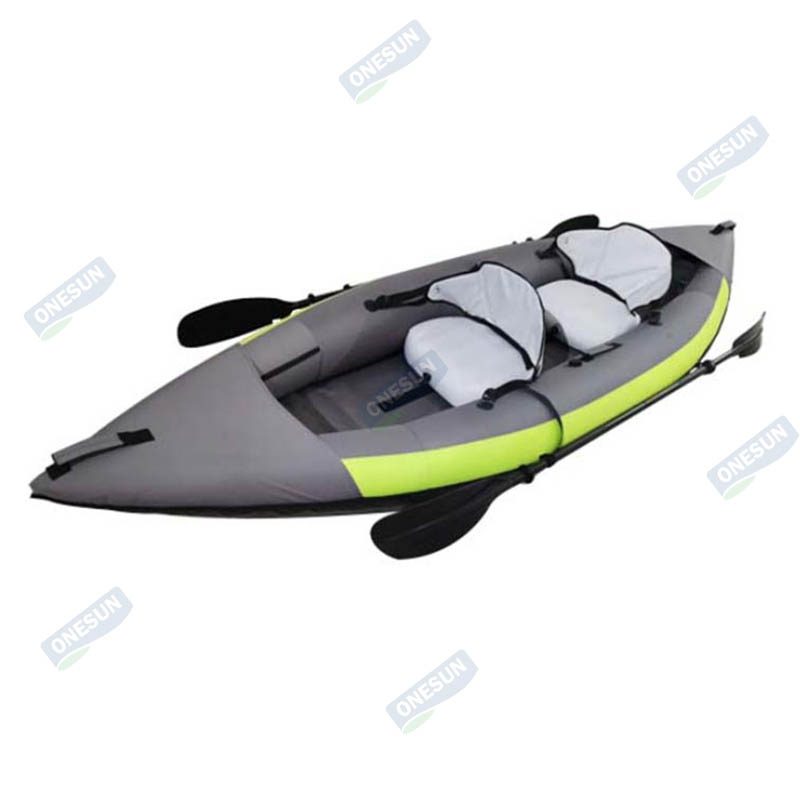
Facilité d'installation
En comparant le processus d'installation, on remarque des différences importantes entre un kayak gonflable et un kayak rigide. L'installation d'un kayak gonflable prend généralement entre cinq et sept minutes. Il suffit de le dérouler, de fixer la pompe et de le gonfler. ONESUN propose une pompe K-Pump qui simplifie encore davantage cette opération. Il vous faudra peut-être quelques minutes supplémentaires si vous optez pour un kayak rigide. kayak gonflable à pédales ou un kayak gonflable de type drop stitch, car ceux-ci possèdent souvent des caractéristiques ou des chambres supplémentaires pour une stabilité et une durabilité accrues.
Un kayak rigide ne nécessite pas de gonflage ; vous pouvez donc le mettre directement à l’eau. Cependant, il faut le transporter de votre lieu de rangement à votre véhicule, puis jusqu’à l’eau, ce qui peut s’avérer plus long et plus fastidieux. Il vous faudra également vous munir d’accessoires tels que des pagaies, des gants de pagaie et du matériel de sécurité, quel que soit le type de kayak, mais le montage d’un kayak gonflable reste plus simple pour la plupart des utilisateurs.
Accessoire | Description |
|---|---|
Sac de lancer Kokatat Huck | Un sac de lancer compact avec 15 mètres de corde et un mécanisme de dégagement rapide. |
Sac de sauvetage compact NRS | Dispositif de sauvetage indispensable pour la sécurité sur l'eau. |
Pagaie (et pagaie de rechange) | Pagaie légère et facile à assembler ; il est recommandé d'en avoir une de rechange. |
Gants de pagaie | Protège les mains des callosités et du soleil tout en préservant la dextérité. |
Sac étanche | Sac étanche de type polochon pour ranger l'équipement dans les kayaks gonflables. |
Pompe K | Pompe spécialisée pour gonfler efficacement les kayaks gonflables. |
Portabilité et poids
La portabilité est un facteur déterminant dans le choix entre kayak gonflable et kayak rigide. Les kayaks gonflables sont légers, pesant généralement entre 11 et 16 kg. Ils se rangent dans un sac compact, ce qui les rend idéaux pour les voyages ou les excursions improvisées. Grâce à cette facilité de transport, vous pouvez ranger votre kayak dans le coffre de votre voiture, un placard, ou même l'emporter dans les transports en commun. ONESUN conçoit de nombreux modèles en privilégiant la portabilité, y compris les meilleurs kayak gonflable biplace des options pour les familles ou les amis.
Les kayaks rigides, aussi appelés kayaks à coque rigide, sont plus lourds et plus encombrants. Leur transport nécessite généralement un véhicule spacieux, des barres de toit, voire une remorque. Cela peut limiter la fréquence d'utilisation, surtout en ville ou avec un espace de rangement restreint. La facilité de transport des kayaks gonflables encourage une utilisation plus fréquente, car chaque sortie demande moins d'organisation.
Conseil : Si vous souhaitez un kayak que vous pouvez utiliser fréquemment et emporter partout, un kayak gonflable est la solution la plus facile à transporter. De nombreux pagayeurs apprécient sa praticité, ce qui leur permet de passer plus de temps sur l’eau.
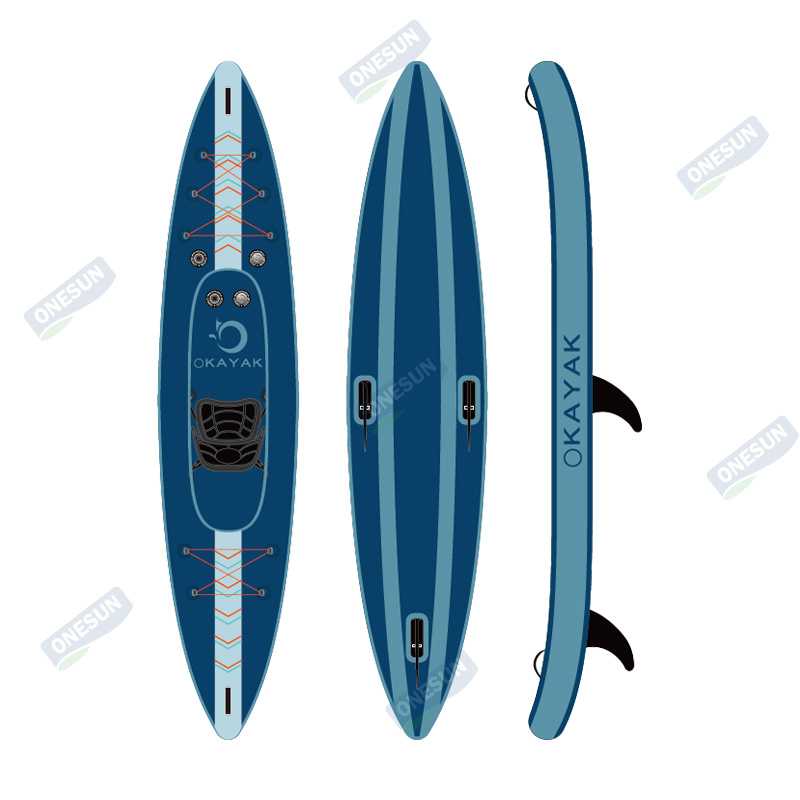
Options de stockage
Le rangement est un autre point où l'on constate des avantages et des inconvénients évidents entre les kayaks gonflables et les kayaks rigides. Les kayaks gonflables se replient dans des sacs compacts, ce qui facilite leur rangement dans les appartements, les garages ou même les petits placards. Ils sont donc parfaitement adaptés à la vie urbaine, où l'espace est souvent limité. Vous pouvez dégonfler votre kayak, le sécher et le ranger jusqu'à votre prochaine aventure. Les modèles Drop Stitch de kayaks gonflables ONESUN offrent une durabilité accrue ; vous n'avez donc pas à craindre que le stockage prolongé n'affecte leurs performances.
Les kayaks rigides nécessitent beaucoup plus d'espace. Il vous faut un emplacement dédié dans votre garage, un support ou même un espace de rangement extérieur. Cela peut s'avérer compliqué si vous manquez de place. Les modèles rigides sont plus difficiles à ranger et vous devrez peut-être investir dans du matériel supplémentaire pour les protéger.
Les kayaks gonflables nécessitent un espace de rangement minimal une fois dégonflés, ce qui les rend idéaux pour les appartements ou les garages.
Les kayaks à coque rigide nécessitent plus d'espace de rangement, ce qui peut constituer un inconvénient en milieu urbain.
Les kayaks gonflables se replient dans des sacs compacts, se rangeant facilement dans les voitures ou les petits espaces de rangement.
Les kayaks rigides sont encombrants et nécessitent des solutions de rangement spécifiques, ce qui peut s'avérer difficile pour les personnes disposant d'un espace limité.
Les kayaks gonflables peuvent être dégonflés et rangés dans des sacs compacts, ce qui les rend idéaux pour les espaces de rangement limités.
En matière d'installation, de transport et de rangement, le kayak gonflable se distingue par sa facilité de transport et de rangement. ONESUN propose des modèles gonflables et rigides, notamment les meilleurs kayaks tandem adaptés à tous les modes de vie. Si vous recherchez un kayak compatible avec votre emploi du temps chargé et votre espace limité, un kayak gonflable est sans doute la solution idéale.
Expérience sur l'eau
Stabilité et sécurité
Vous souhaitez vous sentir en sécurité lorsque vous embarquez dans votre kayak. La stabilité joue un rôle primordial dans votre confiance, surtout si vous êtes débutant. Les kayaks gonflables haut de gamme peuvent égaler, voire surpasser, la stabilité des kayaks rigides d'entrée de gamme en eau calme. Moins de 3 % des utilisateurs de kayaks gonflables déclarent avoir chaviré dans ces conditions, contre environ 7 % pour les kayaks rigides d'entrée de gamme. Vous pouvez donc faire confiance à un kayak gonflable pour une navigation stable lors de votre première expérience.
Si vous prévoyez de pagayer en eaux agitées, les kayaks rigides offrent une meilleure stabilité et un meilleur contrôle. Plus bas sur l'eau, ils vous aident à garder l'équilibre lorsque les vagues se lèvent. Les kayaks gonflables, notamment ceux équipés de grands boudins latéraux, offrent une excellente stabilité en eau calme, mais peuvent paraître moins stables par mer agitée.
La sécurité est primordiale lors de vos sorties en kayak. De nombreux kayaks gonflables sont équipés de plusieurs chambres à air. Ces chambres assurent sécurité et flottabilité, vous permettant de rester à flot même en cas de crevaison. Vous pouvez redresser un kayak gonflable ouvert et remonter rapidement à bord, souvent en moins de 30 secondes. Cette rapidité de remontée à bord réduit les risques d'hypothermie. Les kayaks rigides sont plus longs à remettre à bord et nécessitent de pomper l'eau en cas d'infiltration. ONESUN intègre plusieurs chambres à air et des matériaux renforcés dans ses modèles adaptés aux débutants, pour une tranquillité d'esprit optimale.
Les kayaks gonflables sont dotés de plusieurs chambres à air qui vous assurent de toujours flotter et vous évitent de vous retrouver coincé dans un système de blocage hydraulique. Si vous tombez à l'eau à bord d'un kayak gonflable ouvert en eau profonde, il est facile de le redresser et de remonter à bord, seul, grâce à la flottabilité de la pagaie, en seulement 30 secondes. Cela réduit considérablement le risque d'hypothermie. Faire la même chose avec un kayak rigide prend plusieurs minutes et peut s'avérer difficile seul en eau agitée ; de plus, une fois à bord, la coque inondée devra être pompée.
Du point de vue de la sécurité, les deux types de kayaks présentent des avantages. Les kayaks gonflables excellent en eau calme et se remettent rapidement à flot, tandis que les kayaks rigides sont plus performants en eaux agitées.
Maniabilité et performances
Vous souhaitez que votre kayak réagisse bien à la pagaie. La maniabilité et les performances dépendent de sa conception et des matériaux utilisés. Les kayaks à coque rigide offrent plus de vitesse et de maniabilité. Leur coque rigide fend l'eau avec moins de résistance. Vous pouvez ainsi virer rapidement et pagayer plus vite, ce qui les rend idéaux pour le kayak de mer, les eaux vives ou la compétition.
Les kayaks de mer à coque rigide offrent des performances uniques, impossibles à égaler pour les modèles gonflables. Grâce à la possibilité de modeler la coque, les arêtes et le pont, ces embarcations peuvent être optimisées pour maximiser leurs performances en fonction de leur utilisation. En kayak de mer, en eaux vives et en surfski, les kayaks à coque rigide surpassent nettement les gonflables en termes de vitesse et de contrôle.
Les kayaks gonflables offrent généralement une position assise plus haute au-dessus de l'eau. Cette position peut rendre la navigation plus difficile par vent fort. Les grands flotteurs latéraux améliorent la stabilité, mais peuvent réduire le contrôle en eaux agitées. Les kayaks rigides de loisirs placent le siège au niveau ou en dessous de la ligne de flottaison, ce qui améliore à la fois la stabilité et la maniabilité.
Type de kayak | Vitesse | Maniabilité |
|---|---|---|
kayak gonflable | Généralement plus lent | Moins maniable en eaux agitées |
Kayak rigide | Plus rapide grâce à sa conception rigide | Plus maniable, notamment dans certaines conditions |
Pour améliorer vos performances en kayak gonflable, privilégiez les modèles équipés de fonctionnalités avancées. Les kayaks gonflables à pédales ou ceux de conception Drop Stitch offrent une meilleure tenue de cap et une vitesse accrue. ONESUN propose ces options pour les pagayeurs recherchant un contrôle et une efficacité optimaux.
Confort pour les débutants
Le confort est primordial pour une première expérience de kayak réussie. Les kayaks gonflables se distinguent par leur légèreté et leur compacité. Faciles à transporter et à installer, ils réduisent le stress avant même d'être sur l'eau. De nombreux kayaks gonflables sont équipés de sièges réglables avec dossier, de poignées et de sacs de transport compacts. Ces caractéristiques offrent un confort et une praticité accrus, notamment pour les débutants.
Fonctionnalité | Description |
|---|---|
Conception légère et compacte | Simplifie le transport et le rangement, idéal pour les débutants disposant d'un espace limité. |
Installation rapide | De nombreux kayaks gonflables sont dotés de fonctionnalités avancées permettant un montage facile et rapide. |
options de sièges réglables | Améliore le confort lors des longs trajets, permettant une personnalisation selon les besoins de l'utilisateur. |
Vous pouvez ajuster le siège à votre morphologie, ce qui vous assure un confort optimal même lors de longues sorties. Les modèles ONESUN, parfaits pour les débutants, sont équipés de sièges rembourrés, de repose-pieds et de poignées de maintien facilement accessibles. Ces détails rendent votre première expérience sur l'eau agréable et sans stress.
Sièges gonflables réglables avec dossiers
Poignées de maintien pour faciliter les manœuvres
Sac de transport compact pour plus de praticité
Les kayaks rigides offrent moins de flexibilité en matière d'assise et de rangement. Ils peuvent s'avérer moins confortables si vous devez transporter votre kayak sur une longue distance ou le ranger dans un espace réduit. Les kayaks gonflables, quant à eux, offrent un plus grand confort et constituent un excellent choix pour une première expérience en kayak.
Si vous recherchez un kayak alliant confort, sécurité et maniabilité, découvrez la gamme de kayaks gonflables ONESUN. Vous y trouverez des modèles adaptés à tous les niveaux, y compris des options dotées de fonctionnalités avancées pour un confort et des performances accrus.
Maintenance et durabilité
Nettoyage et séchage
Pour prolonger la durée de vie de votre kayak, il est essentiel de le garder propre et sec. Après chaque sortie, rincez-le à l'eau douce pour éliminer le sel, le sable et les résidus de produits chimiques. Cette étape est importante aussi bien pour les kayaks gonflables que pour les kayaks rigides, mais les modèles gonflables nécessitent une attention particulière. Si vous utilisez un kayak gonflable à pédales ou un kayak gonflable à coque en drop stitch, soyez vigilant quant à l'état de toutes les pièces mobiles et des coutures.
Pour éviter les moisissures et les mauvaises odeurs, séchez toujours soigneusement votre kayak. Commencez par retirer les sièges et les sacs. Utilisez des serviettes pour sécher l'extérieur du kayak lorsqu'il est encore gonflé. Dégonflez le plancher et inclinez le kayak pour évacuer l'eau. Essuyez toute trace d'humidité et les débris. Lorsque vous rangez votre kayak, séchez le dessous avec une serviette. Un séchage adéquat préserve votre kayak en bon état et protège le tissu.
Voici quelques conseils pour le nettoyage et le séchage :
Rincez votre kayak après chaque utilisation, surtout après des sorties en eau salée.
Utilisez un nettoyant doux pour les saletés ou les taches.
Séchez votre kayak avec une serviette avant de le ranger.
Rangez votre kayak dans un endroit frais et sec, à l'abri de la lumière du soleil.
Pour ranger un kayak gonflable, dégonflez-le à environ 70 % pour un stockage de longue durée et conservez-le à l'abri du soleil. ONESUN conçoit ses kayaks avec des surfaces faciles à nettoyer et des matériaux à séchage rapide, pour un entretien simplifié.
Réparation et longévité
Vous vous demandez peut-être combien de temps durera votre kayak. Les kayaks gonflables haut de gamme peuvent durer de 7 à 10 ans, tandis que les kayaks rigides traditionnels ont une durée de vie moyenne d'environ 3 ans.
Type de kayak | Durée de vie moyenne (années) |
|---|---|
Gonflable de qualité supérieure | 7 à 10 |
Coque rigide traditionnelle | 3 |
Les kayaks gonflables sont souvent sujets aux crevaisons et aux fuites, mais un kit de réparation permet de les réparer facilement. Les kayaks rigides, quant à eux, peuvent présenter des bosses ou des fissures, plus difficiles à réparer. ONESUN fournit des kits de réparation et des instructions claires avec chaque kayak gonflable, vous permettant ainsi de régler vous-même les petits problèmes.
Type de kayak | Problèmes de réparation courants | Difficulté de réparation |
|---|---|---|
kayaks gonflables | crevaisons, fuites | Plus facile à réparer |
Kayaks à coque rigide | Bosses, fissures | Plus difficile à réparer |
Pour maintenir votre kayak en parfait état :
Nettoyez et séchez après chaque utilisation.
Appliquez un protecteur UV pour éviter la décoloration.
Rangez-le correctement pour éviter tout dommage.
Les kayaks gonflables ONESUN sont fabriqués avec des matériaux renforcés et comportent plusieurs chambres à air pour une durabilité accrue. Vous avez ainsi l'assurance que votre kayak vous accompagnera pendant de nombreuses saisons.
Les meilleurs kayaks gonflables pour débutants
Choisir le bon modèle
Lorsque vous recherchez le meilleur kayak gonflable, vous souhaitez un modèle stable, facile à transporter et simple à installer. En tant que débutant, concentrez-vous sur quelques caractéristiques essentielles pour une première expérience de navigation sûre et agréable. Voici quelques points importants à prendre en compte :
DimensionsChoisissez un kayak mesurant entre 3 et 3,6 mètres de long et entre 81 et 97 cm de large. Ces dimensions vous offriront une bonne stabilité et un bon confort.
PoidsChoisissez un kayak de moins de 18 kg. Les modèles plus légers sont plus faciles à transporter de votre voiture à l'eau.
MatérielLe PVC est un choix populaire auprès des débutants car il est solide et abordable. L'Hypalon offre plus de souplesse et une meilleure durabilité.
Capacité de passagersChoisissez si vous souhaitez pagayer seul ou avec un ami. Des options en solo ou en tandem sont disponibles.
Stabilité de la coqueRecherchez une stabilité primaire élevée pour éviter le basculement.
Confort d'assiseLes sièges en mousse réglables vous aident à rester confortable lors des longs trajets.
StockageUn hayon arrière étanche protège votre équipement de l'humidité.
Suivi: Une coque plus longue et des ailerons de direction permettent à votre kayak de se déplacer droit et efficacement.
Conseil : Si vous souhaitez des fonctionnalités supplémentaires, envisagez un kayak gonflable à pédales pour vous déplacer les mains libres ou un kayak gonflable à structure Drop Stitch pour plus de rigidité et de vitesse.
Recommandations ONESUN
ONESUN propose certains des meilleurs kayaks gonflables pour débutants. Leurs modèles privilégient le confort, la sécurité et la facilité de maniabilité. Le tableau ci-dessous met en évidence les caractéristiques adaptées aux débutants que l'on retrouve sur les kayaks ONESUN :
Fonctionnalité | Description |
|---|---|
Sièges adaptatifs | Sièges réglables pour un ajustement personnalisé et un meilleur soutien. |
Améliorations de la stabilité | Stabilisateurs latéraux et coques larges pour une stabilité accrue sur l'eau. |
Systèmes de soutien à la pagaie | Des systèmes qui facilitent le pagayage et réduisent la fatigue des bras. |
Vous trouverez des kayaks gonflables ONESUN avec pédales pour un meilleur contrôle et moins d'effort. Leurs modèles Drop Stitch offrent une sensation de solidité, presque comparable à celle d'un kayak rigide, tout en restant légers et faciles à transporter. De nombreux kayaks ONESUN sont fournis avec un sac de transport, une pompe de gonflage rapide et un kit de réparation, ce qui en fait un choix idéal pour les débutants.
Pour plus de détails, consultez un guide d'achat de kayaks gonflables afin de comparer les caractéristiques et les prix. Les recommandations de kayaks gonflables d'ONESUN vous aideront à trouver le modèle idéal, que vous souhaitiez pagayer seul ou à deux. Avec le meilleur kayak gonflable pour débutants, vous profiterez d'une expérience sûre, confortable et agréable sur l'eau.
Vous avez constaté qu'un kayak gonflable offre une installation rapide, un transport facile et un rangement simple. Les kayaks rigides offrent une plus grande durabilité et une meilleure stabilité aux pagayeurs confirmés. Le tableau ci-dessous met en évidence les principales différences :
Type de kayak | Fonctionnalités de facilité d'utilisation |
|---|---|
kayak gonflable | Se gonfle en quelques minutes, facile à soulever et à ranger, idéal pour les débutants |
Kayak rigide | Nécessite des efforts importants, davantage de préparation et de logistique de stockage |
Vous devez tenir compte de l'espace disponible, de votre niveau et de la fréquence à laquelle vous prévoyez de pagayer. ONESUN vous propose des kayaks gonflables et rigides, vous aidant ainsi à trouver le kayak idéal pour vos aventures.
FAQ
Qu'est-ce qui rend un kayak gonflable plus facile à transporter ?
Vous pouvez transporter un kayak gonflable dans un sac à dos ou un sac de voyage. Ce type de sac vous permet d'accéder à l'eau à pied sans avoir besoin de barres de toit ni de remorque. Vous gagnez ainsi du temps et de l'énergie, surtout si vous voyagez seul.
Combien de temps faut-il pour monter un kayak gonflable ?
Il faut généralement entre cinq et dix minutes pour gonfler et assembler un kayak. Certains modèles, comme un kayak gonflable à pédales ou un kayak gonflable à structure Drop Stitch, peuvent nécessiter quelques minutes supplémentaires en raison de leurs fonctionnalités additionnelles.
Un kayak gonflable est-il sans danger pour les débutants ?
Vous bénéficiez d'une grande stabilité et de plusieurs chambres à air pour plus de sécurité. La plupart des débutants se sentent à l'aise en kayak gonflable sur les lacs calmes ou les rivières à faible courant. Portez toujours un gilet de sauvetage et respectez les consignes de sécurité.
Puis-je utiliser un kayak gonflable en eaux agitées ?
Vous pouvez pagayer dans des vagues douces ou sur des rivières à faible courant. Pour les eaux agitées ou les forts courants, il est conseillé d'opter pour un kayak rigide ou un kayak gonflable renforcé de type drop stitch pour une meilleure maîtrise.
Comment ranger mon kayak gonflable après utilisation ?
Rincez et séchez complètement votre kayak. Pliez-le et rangez-le dans un endroit frais et sec. Cela empêchera la formation de moisissures et le gardera prêt pour votre prochaine sortie.


 IPv6 RÉSEAU PRIS EN CHARGE