
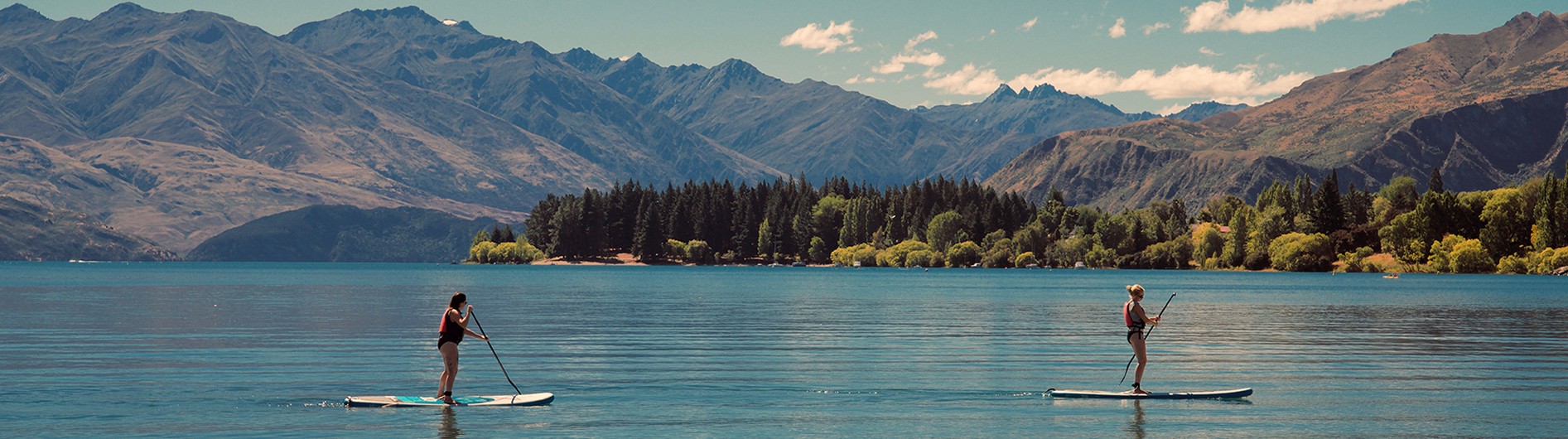
Un packraft gonflable Ce bateau léger et portable vous permet d'explorer l'eau où que vos aventures vous mènent. Vous pouvez l'utiliser sur les rivières, les lacs et même en eaux vives techniques.
Profitez des traversées de rivières, de la pêche en lacs isolés ou des excursions en eau libre.
Profitez d'un gonflage facile et d'une construction durable.
Emportez votre packraft gonflable avec vous lors de vos randonnées ou de vos séjours en camping, car il se replie à la taille d'un sac de couchage.
Les amateurs de plein air de tous niveaux choisissent les packrafts gonflables pour leur polyvalence et le plaisir spontané qu'ils procurent. La popularité mondiale du packrafting ne cesse de croître, avec des milliards dépensés chaque année en équipement et en voyages.
Points clés à retenir
Les packrafts gonflables sont légers et portables, ce qui les rend faciles à transporter lors de randonnées et de séjours en camping.
Choisissez le type de packraft adapté à votre aventure : eaux vives, randonnée ou ultraléger.
Priorisez toujours la sécurité : portez un gilet de sauvetage et entraînez-vous aux techniques de pagaie en eau calme avant de vous aventurer en rivière.
Un entretien adéquat, comme le rinçage après utilisation et le stockage dégonflé, prolonge la durée de vie de votre packraft et garantit de meilleures performances.
Les packrafts offrent de nouvelles expériences en plein air, permettant d'explorer des lacs et des rivières isolés, difficiles d'accès à pied.
Qu'est-ce qu'un packraft gonflable ?
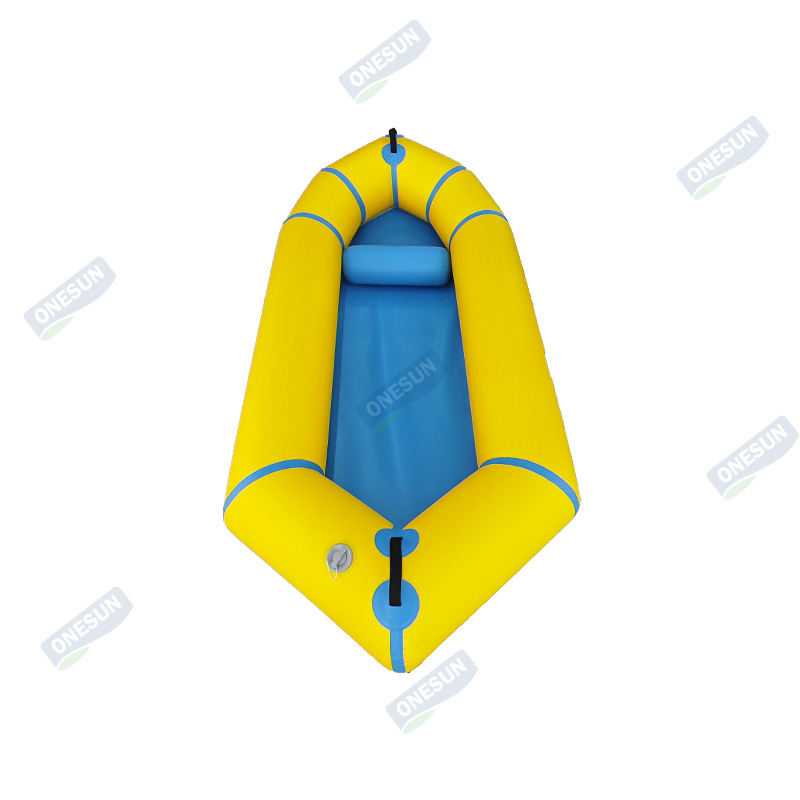
Vous découvrez le packraft, une embarcation gonflable compacte conçue pour l'aventure. Ce type d'embarcation se range facilement dans un sac à dos et pèse beaucoup moins qu'un bateau traditionnel. On le gonfle rapidement et on l'utilise pour traverser des rivières, explorer des lacs ou pagayer en pleine nature. Le packraft ouvre de nouvelles perspectives pour les loisirs de plein air, notamment pour ceux qui souhaitent combiner randonnée et navigation.
Caractéristiques principales
Un packraft se distingue par ses caractéristiques uniques. Sa légèreté et sa portabilité sont remarquables. La plupart des packrafts pèsent entre 2 et 9 kg. Une fois plié, il a la taille d'un sac de couchage, ce qui facilite son transport lors de longues randonnées ou de séjours en camping. La stabilité est primordiale en eaux agitées. La conception du packraft assure un bon équilibre et réduit le risque de chavirage. De plus, sa capacité de charge élevée est un atout. De nombreux packrafts supportent des charges importantes et offrent un espace de rangement à l'intérieur des tubes pour le matériel.
Conseil: Vous pouvez ranger du matériel supplémentaire dans les tubes internes du packraft. Cette caractéristique vous permet de garder votre équipement au sec et en sécurité pendant votre voyage.
Voici un bref comparatif des principales caractéristiques :
Fonctionnalité | Description |
|---|---|
Léger et portable | Les packrafts modernes pèsent entre 2,3 et 9 kg et se replient à la taille d'un sac de couchage. |
Haute stabilité | Les packrafts minimisent le risque de chavirement en eaux agitées. |
Capacité de charge élevée | Vous pouvez transporter une charge importante et utiliser l'espace de rangement interne pour les longs trajets. |
Vous voyez qu'un packraft offre des avantages aussi bien aux débutants qu'aux aventuriers expérimentés. Il se transporte facilement, se déploie rapidement et sa stabilité, même dans des conditions difficiles, est garantie.
Packraft contre autres embarcations
Vous vous demandez peut-être comment un packraft se compare aux kayaks et aux canoës. Chaque embarcation a ses avantages et ses inconvénients. Un packraft est beaucoup plus léger qu'un kayak gonflable traditionnel. La plupart des packrafts pèsent entre 2 et 6 kg, tandis que les kayaks gonflables peuvent être quatre à six fois plus lourds. Un packraft se replie à la taille d'un matelas de sol, contrairement aux kayaks qui nécessitent plus d'espace de rangement.
Type d'embarcation | Comparaison des poids | Comparaison des dimensions emballées |
|---|---|---|
Packrafts gonflables | 5 à 13 lb (portable en sac à dos) | Semblable à un matelas de sol |
kayaks gonflables traditionnels | 4 à 6 fois plus lourd | Plus encombrant, nécessite plus d'espace de stockage |
Vous comparez également les avantages et les inconvénients de chaque type :
Avantages du packraft :
Léger et portable
Haute stabilité
Capacité de charge élevée
Inconvénients du packraft :
Durabilité limitée
Performances sur eau plate
Avantages du kayak :
Versatilité
Stabilité
Facilité d'utilisation
Contrôle
Inconvénients du kayak :
Poids
Défis de portage
Avantages du canoë :
Excellent pour le portage
Confort
Inconvénients du canoë :
sensibilité au vent
Limites d'eau brute
difficulté de sauvetage
On choisit un packraft pour voyager léger et atteindre des lieux reculés. On opte pour un kayak ou un canoë si l'on privilégie le confort ou le contrôle sur eaux calmes. Le packraft offre flexibilité et liberté, notamment pour la randonnée et le camping. Il permet de vivre l'expérience unique d'explorer la terre et l'eau avec un seul équipement.
Choisir un packraft
Choisir le bon packraft peut rendre votre aventure en plein air plus sûre et plus agréable. Il est important de prendre en compte les différents types de packrafts, les matériaux utilisés pour leur fabrication, ainsi que leur taille et leur maniabilité, afin de répondre au mieux à vos besoins. Chaque facteur influe sur les performances de votre packraft lors d'une sortie en pleine nature ou d'une journée sur un lac.
Types de packrafts
Il existe plusieurs types de packrafts conçus pour différentes activités. Comprendre ces options vous aidera à choisir le packraft le plus adapté à votre aventure.
Packrafts en eaux vivesCes packrafts sont conçus pour les eaux vives et les rapides. Ils sont souvent équipés de planchers renforcés et de systèmes d'auto-vidange qui permettent une évacuation rapide de l'eau. Privilégiez ce type de raft si vous prévoyez de descendre des rivières difficiles.
Packrafts de tourismeLes modèles de randonnée sont particulièrement adaptés à la navigation en eau calme sur les lacs ou les rivières à faible vitesse. Ils offrent une meilleure tenue de cap et une vitesse supérieure, ce qui les rend idéaux pour les longues distances.
Packrafts ultralégersSi vous souhaitez minimiser le poids, les packrafts ultralégers sont le meilleur choix. Ils conviennent aux randonneurs et aux adeptes du trekking qui doivent transporter leur embarcation sur de longues distances.
Packrafts pontésLes packrafts à pont sont équipés d'une bâche de protection contre les éclaboussures et l'eau froide. Privilégiez-les par temps froid ou en cas de conditions météorologiques difficiles.
Packrafts autovideursCes packrafts sont munis de trous dans le fond pour permettre à l'eau de s'évacuer. Ils sont populaires pour la pratique du rafting en eaux vives et dans les situations où l'on s'attend à embarquer de l'eau.
Les packrafts se prêtent à une multitude d'aventures. On peut pagayer en aval des sentiers de randonnée, transporter facilement son équipement et combiner déplacements terrestres et aquatiques. Cette polyvalence en fait un engin de prédilection pour le packrafting en pleine nature, la pêche et même comme annexe pour un voilier.
Matériaux et durabilité
Le matériau de votre packraft influe sur son poids, sa durabilité et son prix. Vous recherchez un packraft adapté à votre activité et à votre budget. Voici un comparatif des matériaux les plus courants :
Matériel | Avantages | Compromis | Idéal lorsque… |
|---|---|---|---|
PVC | Abordable, bonne résistance aux UV, largement disponible | Plus lourd, préoccupations environnementales, moins portable | Vous recherchez un faible coût et une utilisation occasionnelle, le poids est donc moins important. |
CSPE (Hypalon) | Excellente résistance aux UV et aux produits chimiques, durable | Plus lourd, plus difficile à réparer, collage uniquement. | Vous prévoyez une forte exposition au soleil et vous avez besoin d'une longue durée de vie. |
TPU | Solide, léger, résistant à l'abrasion et à la perforation, écologique | Coût plus élevé, nécessite une soudure spéciale, moins rigide sauf renforcement | Il vous faut légèreté, compacité et durabilité |
Vous constaterez que les packrafts en polyuréthane thermoplastique (TPU) offrent le meilleur compromis entre robustesse et portabilité. Ils résistent aux perforations et à l'abrasion, un atout essentiel pour la sécurité. Les packrafts en PVC coûtent moins cher, mais sont plus lourds. Ceux en CSPE (type Hypalon) sont très durables, mais plus lourds. La durabilité est primordiale si vous prévoyez d'utiliser votre packraft dans des conditions difficiles.
Conseil: Pour les débutants, investir dans un packraft durable en TPU peut s'avérer économique à long terme. Vous éviterez les réparations fréquentes et profiterez de meilleures performances.
Le prix d'un packraft est variable. Les modèles légers et basiques coûtent moins cher et conviennent parfaitement aux eaux calmes. Les packrafts plus onéreux utilisent des matériaux et une construction plus sophistiqués pour les conditions plus agitées.
Taille et portabilité
Vous recherchez un packraft adapté à vos besoins de transport et de rangement ? Les packrafts sont ultralégers et très portables. Certains modèles pèsent à peine 2,3 kg. Vous pouvez enrouler votre packraft pour qu'il prenne la taille d'une bouteille d'eau ou d'un rouleau d'essuie-tout. Il se range ainsi facilement dans votre sac à dos avec le reste de votre équipement.
Vous pouvez emporter votre packraft lors de randonnées de plusieurs jours sans ajouter beaucoup de poids.
Les formats roulés plus petits permettent de gagner de la place et facilitent le rangement.
Grâce à leur conception pratique et portable, vous pouvez emporter votre packraft partout, des lacs isolés aux torrents de montagne.
Lorsque vous choisissez un packraft, tenez compte de vos activités principales. Si vous prévoyez de longues randonnées, optez pour un modèle plus léger et plus compact. Pour la pêche ou le transport de matériel supplémentaire, choisissez un packraft avec une capacité de charge plus élevée et un espace de rangement interne.
Note: Tenez toujours compte de l'utilisation prévue, de vos besoins en matière de maniabilité et du matériel que vous comptez emporter. Un packraft adapté rendra votre aventure plus sûre et plus agréable.
Vous trouverez des modèles comme le Hornet-Lite et le Rogue-Lite qui offrent un bon compromis entre poids et polyvalence. Ces packrafts conviennent parfaitement aux randonneurs qui souhaitent explorer des régions reculées sans sacrifier la performance.
Choisir le bon packraft, c'est adapter ses caractéristiques à vos objectifs de plein air. Pour une expérience optimale, choisissez un packraft qui correspond à votre activité, à vos besoins en termes de poids et à votre budget.
Préparation de votre voyage
Matériel d'emballage
Il est essentiel de bien ranger votre équipement pour que votre packraft reste équilibré et sûr. Répartissez le poids uniformément en centrant votre corps et en plaçant les objets les plus lourds en bas, près du centre. Utilisez des sacs gonflables et enveloppez les objets rigides dans vos vêtements pour éviter les crevaisons. Fixez solidement tout votre matériel à l'embarcation afin de ne rien perdre en cas de chavirage. Dégagez le pont pour éviter tout risque d'enlisement et maintenir un centre de gravité bas. Rangez toutes les sangles et évitez les mousquetons sans verrouillage, qui peuvent s'accrocher ou provoquer des attaches accidentelles.
Conseil: Un pont propre et organisé vous permet de réagir rapidement en cas d'urgence et réduit le risque de perdre votre matériel de packraft.
Équipement essentiel
Pour votre sécurité et votre confort lors d'une sortie en packraft, emportez toujours le matériel essentiel. Voici une liste pour vous guider :
Pagaies pour manœuvrer votre packraft
Gilet de sauvetage (VFI) pour plus de sécurité et de confort
Sac de gonflage pour une installation rapide et efficace
Kit de réparation avec patchs, colle et outils pour les réparations en déplacement
Casque de protection pour les eaux vives
Couteau pour les urgences, surtout en eau vive
Sac de lancer (environ 9 mètres) pour les situations de sauvetage
Combinaison de plongée ou combinaison étanche pour l'isolation en eau froide
Emportez une trousse de réparation et entraînez-vous à l'utiliser avant votre voyage. Cette préparation vous permettra de faire face aux dommages imprévus et de poursuivre votre aventure.
Planification de voyage
Planifiez votre sortie en privilégiant la sécurité. Commencez par vous entraîner en eau calme pour vous familiariser avec le matériel. Vérifiez votre équipement avant de partir et assurez-vous qu'il est bien fixé. Portez toujours un gilet de sauvetage et habillez-vous en fonction de la température de l'eau. Partez avec des amis pour plus de sécurité et de soutien. Renseignez-vous sur la région et prévoyez un plan d'urgence. Soyez prêt à faire face aux changements de conditions de la rivière et aux rencontres avec la faune sauvage. Emportez un allume-feu et un dispositif de communication en cas d'urgence.
Note: Il faut s'attendre à l'inattendu. Le niveau des rivières peut monter rapidement et des dangers comme des arbres tombés peuvent survenir sans prévenir.
Une planification minutieuse et un équipement de packrafting adapté vous permettront de profiter d'une excursion sûre et mémorable.
Conseils de sécurité et de manipulation
Notions de base en matière de sécurité aquatique
Il est essentiel de bien comprendre les principaux risques avant de se lancer dans une aventure en packraft. De nombreux pagayeurs débutants surestiment les risques encourus.packraft gonflable portable Vous pouvez gérer cette situation. Cette erreur peut entraîner des accidents. Apprenez toujours à connaître les limites de votre embarcation et suivez une formation adéquate. L'eau froide représente un autre danger. En cas de chute, vous risquez l'hypothermie ou un choc thermique. Habillez-vous en fonction de la température de l'eau, et pas seulement de celle de l'air. Vous devez également savoir utiliser votre équipement de sécurité. Suivez un stage de sécurité en eaux vives pour apprendre les techniques de sauvetage. Ces conseils vous aideront à adopter de bonnes habitudes de sécurité en packraft.
Ne surestimez pas les capacités de votre packraft.
Habillez-vous pour l'eau froide afin d'éviter l'hypothermie.
Apprenez les techniques de sauvetage en eaux vives avant de vous attaquer aux cours d'eau.
Conseil: Portez toujours votre gilet de sauvetage et pagayez avec un ami pour plus de sécurité.
Techniques de pagaie
Vous améliorez votre maîtrise et votre confiance en apprenant les techniques de base de la pagaie. Le coup de pagaie vers l'avant assure une progression stable. Privilégiez une bonne posture et des coups de pagaie fluides. Le coup de pagaie en arc de cercle facilite les virages. Décrivez un grand arc de cercle avec votre pagaie pour une meilleure maniabilité. L'appui vous maintient stable en eaux agitées. Entraînez-vous à l'appui pour éviter de chavirer. Il est conseillé de répéter ces techniques de pagaie en eau calme avant de vous aventurer en rivière ou en rapides. De bonnes habitudes de pagaie rendent chaque sortie plus sûre et plus agréable.
Coup vers l'avant pour un mouvement rectiligne
Balayage pour tourner
Se préparer à la stabilité
Note: Pratiquez régulièrement le pagayage pour développer la mémoire musculaire et les réflexes rapides.
Entretien et maintenance
Un entretien adéquat prolonge la durée de vie de votre packraft gonflable. Après chaque sortie, rincez-le à l'eau douce pour éliminer la saleté et les débris. Rangez-le dégonflé et déroulé afin de protéger les coutures. Utilisez du lubrifiant silicone sur les fermetures éclair et ne les forcez jamais. Appliquez le produit protecteur 303 Aerospace Protectant pour protéger votre packraft des rayons UV. Si votre packraft est exposé au soleil, dégonflez-le légèrement pour éviter un sur-gonflage.
Tâche de maintenance | Description |
|---|---|
Stockage de packraft | Stocker dégonflé et déroulé pour réduire la pression sur les coutures. |
Entretien des fermetures éclair de packraft | Utilisez un lubrifiant silicone, évitez de forcer les fermetures éclair et nettoyez les obstructions. |
Protection contre les dommages causés par les UV | Appliquez le protecteur aérospatial 303 pour prévenir les dommages causés par les UV et maintenir l'intégrité de la surface. |
Nettoyage de votre packraft | Rincez à l'eau claire après chaque utilisation pour éliminer les débris et maintenir le bon fonctionnement du matériel. |
Gestion de la pression atmosphérique | Éliminer la pression d'air en cas d'exposition directe au soleil ou à des températures élevées afin d'éviter un surgonflage. |
Si vous devez réparer votre packraft sur le terrain, nettoyez d'abord la zone avec des lingettes alcoolisées. Utilisez du ruban adhésif Patch-N-Go ou Tenacious Tape pour des réparations rapides. Aquaseal offre une étanchéité durable, mais nécessite un temps de séchage. Le ruban Tyvek et Aquaseal UV conviennent parfaitement aux réparations temporaires.
Appeler: Un entretien régulier et des réparations rapides permettent à votre packraft d'être prêt pour toutes vos aventures en kayak.
Utilisations du packraft pour les loisirs de plein air
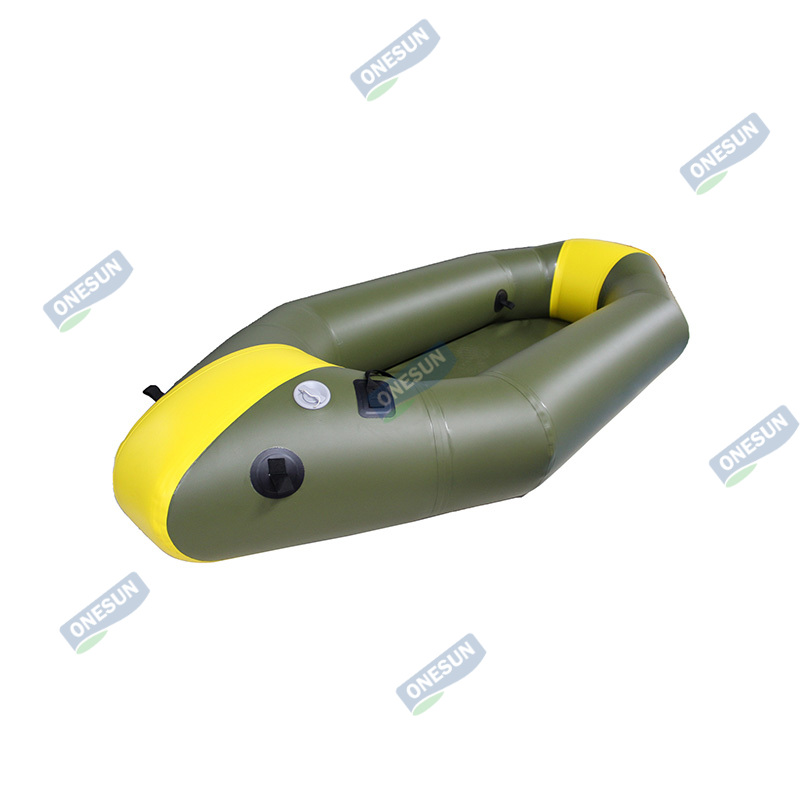
Randonnée et camping
Vous pouvez transformer vos randonnées et vos séjours en camping en y intégrant la traversée d'une rivière. Lors de vos randonnées en pleine nature, il arrive souvent qu'une rivière barre votre chemin. Grâce à votre équipement léger, vous pouvez la traverser en toute sécurité et atteindre de nouveaux emplacements de camping. De nombreux amateurs de plein air combinent randonnée, pêche, voire ski avec la navigation fluviale. Vous pouvez transporter votre équipement sur votre dos, puis gonfler votre embarcation une fois arrivé à une rivière ou un lac. Cette approche vous permet d'explorer des vallées de montagne, des lacs alpins et des rives isolées. Vous pouvez également essayer le packraft en France, où vous trouverez des itinéraires fluviaux pittoresques reliant sentiers de randonnée et campings. La possibilité de combiner randonnée, cyclisme et navigation fluviale ouvre de nouvelles perspectives pour vos expériences en plein air.
Conseil: Vous pouvez accéder à des vallées fluviales et à des lacs isolés, inaccessibles uniquement à pied.
Exploration des lacs et des rivières
Vous pouvez pratiquer de nombreuses activités sur les lacs et les rivières. Beaucoup débutent par le canoë-kayak de loisir sur des eaux calmes. Vous vous entraînez à gonfler votre embarcation chez vous, puis vous pagayez avec un ami pour plus de sécurité. Vous commencez sur un étang ou un lac près de chez vous, puis vous passez à une rivière tranquille. Vous apprenez que votre embarcation est performante en eau vive, mais que vous pouvez aussi l'utiliser sur les lacs. Vous choisissez une rivière adaptée à votre niveau et vous partez toujours accompagné d'une personne expérimentée. Vous pouvez essayer le packraft en France, où des rivières comme l'Ardèche et la Dordogne offrent de magnifiques paysages et des courants doux. Vous pouvez pêcher depuis votre embarcation, en atteignant des endroits difficiles d'accès depuis la rive. Vous pouvez également participer à des courses d'aventure qui combinent randonnée, canoë-kayak et VTT.
Entraînez-vous chez vous avant votre première descente de rivière.
Pagayez toujours avec un ami.
Commencez par des rivières ou des lacs faciles.
Choisissez une rivière adaptée à votre niveau.
Suivez un cours de sécurité fluviale.
Sachez que les variations de température peuvent affecter la pression atmosphérique à bord de votre bateau lors d'une descente de rivière.
Aventures uniques
Vous pouvez vivre des aventures uniques en explorant des rivières, des lacs et des côtes isolés. Vous pouvez relier des sentiers de randonnée à des itinéraires fluviaux, en traversant des canyons et des déserts inaccessibles aux bateaux traditionnels. Après une longue marche, vous pouvez accéder à des lacs d'altitude, puis les traverser en kayak pour rejoindre un nouveau sentier. Nombreux sont ceux qui utilisent leur embarcation pour des actions de conservation, comme la traversée de rivières en Alaska ou l'élimination d'espèces invasives dans les zones sauvages. Vous pouvez vous essayer au packraft en France pour explorer en solitaire des rivières sauvages telles que le Verdon ou le Tarn. Vous pouvez également rejoindre un groupe pour naviguer sur la South Fork de la rivière Flathead dans le Montana, ou pagayer sur la Bluestone National Scenic River en Virginie-Occidentale. Vous minimisez votre impact environnemental en utilisant une embarcation sans moteur, réduisant ainsi le bruit et les perturbations pour la faune.
Explorez des canyons fluviaux et des côtes reculées.
Accédez aux lacs alpins après une randonnée exigeante.
Participez à des projets de conservation le long des cours d'eau.
Essayez le packrafting en France pour une nouvelle aventure.
Vous pourrez vivre l'expérience exaltante de naviguer sur des rivières aussi bien tranquilles que sauvages, et découvrir des endroits que peu d'autres peuvent atteindre.
Vous découvrez que packrafts gonflables légers offrent une polyvalence inégalée pour les loisirs de plein air.
Vous atteignez des endroits qui resteraient autrement inaccessibles.
Vous transportez du matériel léger qui tient dans votre sac à dos.
Vous appréciez les activités allant des lacs calmes aux rivières aux eaux vives.
De nombreux passionnés de plein air partagent des récits d'amitié, d'aventure et d'expériences de voyage uniques vécues en packraft. À votre tour, créez vos propres souvenirs sur l'eau. Essayez le packraft et découvrez de nouvelles possibilités d'exploration et de sensations fortes !
FAQ
Comment gonfler un packraft ?
Utilisez un sac de gonflage ou une petite pompe. Fixez le sac à la valve, gonflez-le et injectez l'air dans le packraft. Répétez l'opération jusqu'à ce que le packraft soit ferme. Terminez par quelques insufflations si nécessaire.
Peut-on utiliser un packraft en eau froide ?
Il est possible d'utiliser un packraft en eau froide. Portez une combinaison néoprène ou étanche pour vous protéger. Adaptez votre tenue à la température de l'eau, et pas seulement à celle de l'air. Vérifiez toujours votre équipement avant d'entrer dans un environnement froid.
Quelle est la meilleure façon de ranger son packraft ?
Rangez votre packraft dégonflé et déroulé dans un endroit frais et sec. Nettoyez-le à l'eau claire après chaque utilisation. Évitez l'exposition directe au soleil et aux fortes chaleurs afin de protéger le matériau et les coutures.
Quel poids un packraft peut-il transporter ?
La plupart des packrafts supportent entre 90 et 180 kg. Consultez les spécifications du fabricant pour votre modèle. Vous pouvez transporter du matériel, vous-même et parfois un animal de compagnie ou un partenaire, selon la capacité du packraft.
Avez-vous besoin d'une formation spéciale pour le packraft ?
Pour les eaux calmes, aucune formation spécifique n'est requise. En revanche, pour les rivières ou les rapides, il est conseillé de suivre une formation à la sécurité. Apprenez les techniques de base de la navigation et les gestes de sauvetage pour assurer votre sécurité durant votre aventure.


 IPv6 RÉSEAU PRIS EN CHARGE