
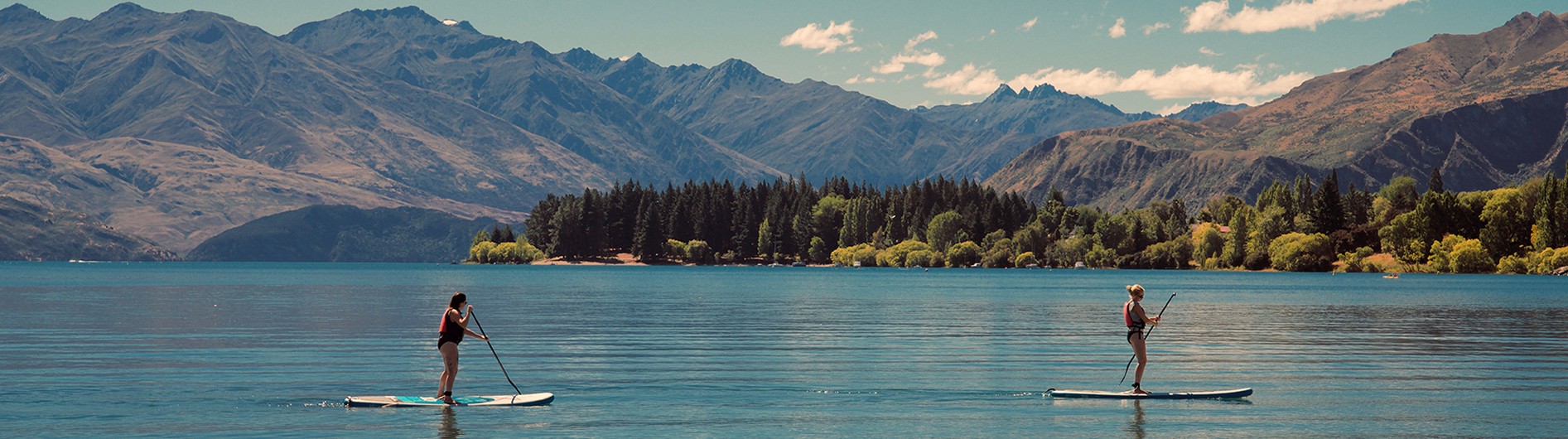
Vous voulez un planche de SUP (paddleboard) Il doit être stable lorsqu'on se tient debout dessus. Il doit être performant dans différents types d'eau. Il doit aussi faciliter la navigation. Ces points sont essentiels pour les débutants. Si vous ne vous souciez que de l'apparence ou du prix, vous risquez de passer à côté de points importants. Voici quelques erreurs fréquentes :
|
Erreurs courantes à éviter |
|---|
|
Choisir uniquement sur l'apparence ou le prix |
|
Ne pas vérifier la taille ou la limite de poids de la planche à pagaie |
|
Ne pas penser au stockage ni à la façon de le déplacer |
|
Acheter auprès de marques peu fiables ou ne pas lire les détails de la garantie |
Ce guide pour débutants vous aidera à éviter ces problèmes. Vous pourrez choisir un plateau en toute confiance.
Points clés à retenir
-
Choisissez une planche de paddle stable. Les planches plus larges, de 31 à 34 pouces, vous aideront à garder l'équilibre. Vous vous sentirez en sécurité dessus.
-
Trouver planches de SUP polyvalentesElles sont performantes dans de nombreuses conditions aquatiques. Vous pouvez essayer différentes activités avec elles. Inutile de changer de planche à chaque fois.
-
Vérifiez la taille et le poids maximum autorisés. Les planches de 3,20 m à 3,35 m conviennent à la plupart des débutants. Elles offrent confort et stabilité.
-
Pensez aux planches gonflables si vous recherchez un transport facile. Légères et faciles à transporter, elles offrent également une bonne stabilité, idéale pour les débutants.
-
Utilisez toujours les accessoires indispensables. Une pagaie, une laisse et un gilet de sauvetage assurent votre sécurité. Ils rendent aussi la pratique du paddle plus agréable.
Guide du SUP (Paddle Boarding Board) pour débutants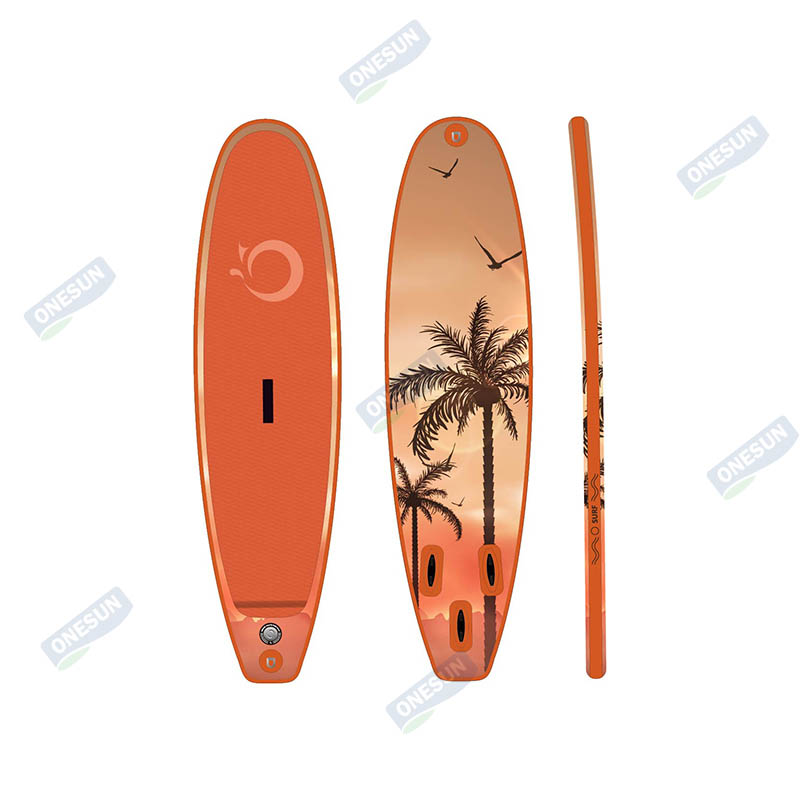
Pourquoi la stabilité est importante
Vous souhaitez vous sentir en sécurité à chaque fois que vous montez sur votre planche de paddle. La stabilité vous permet de vous lever facilement et vous évite de vaciller. Lorsque vous commencez à pagayer, vous vous concentrez sur l'apprentissage des mouvements et de la direction. Si votre planche est instable, vous passez plus de temps à essayer de ne pas tomber. Une planche stable vous permet de vous entraîner à pagayer sans vous soucier de votre équilibre.
-
Vous vous levez plus vite et avec moins de difficulté.
-
Vous apprenez rapidement de nouvelles compétences car vous pouvez vous concentrer sur la pratique du canoë-kayak.
-
À chaque fois que vous pagayez, vous gagnez en confiance et vous vous inquiétez donc moins de tomber.
Si vous cherchez les meilleures planches de paddle pour débutants, privilégiez les modèles larges et volumineux. Ces planches vous aideront à garder l'équilibre et rendront votre première expérience de paddle agréable.
Conseil: Les planches d'une largeur comprise entre 31 et 34 pouces conviennent parfaitement à la plupart des débutants pesant moins de 90 kg. Vous constaterez combien il est plus facile de garder l'équilibre.
Importance de la polyvalence
Vous pourriez avoir envie de pagayer tranquillement sur un lac paisible un jour et de vous essayer au surf léger le lendemain. La polyvalence de votre planche lui permet de s'adapter à différentes activités. Les planches polyvalentes sont idéales pour les débutants car elles conviennent à de nombreuses situations. Vous pouvez les utiliser pour des balades tranquilles, pour faire du sport ou même pour pêcher.
Une planche avec un nez et une queue légèrement arrondis offre plus de possibilités. Elle s'adapte à différentes conditions d'eau et permet d'essayer de nouvelles figures sans avoir besoin d'une nouvelle planche. Vous n'avez pas à vous soucier de progresser trop vite avec votre planche.
Note: Choisissez une planche confortable et facile à utiliser. Vous prendrez davantage de plaisir à pagayer et progresserez plus rapidement.
Facilité d'utilisation pour les débutants
Vous cherchez une planche qui facilite la pratique du paddle ? Les planches plus larges, avec un volume accru, vous aident à vous tenir debout et à garder l’équilibre. Les modèles comme le cruiser, avec une base de 84 à 86 cm, offrent un support stable. Des caractéristiques pratiques, telles que des poignées de transport bien placées, facilitent le transport de votre planche de votre voiture à l’eau.
-
Choisissez des planches avec des poignées au milieu. Vous pourrez ainsi les transporter sans vous fatiguer les bras.
-
Évitez les planches dont le volume est trop important pour votre poids. Cela rend l'apprentissage plus difficile.
-
Choisissez une planche adaptée à votre taille et aux endroits où vous prévoyez de pagayer.
|
Fonctionnalité |
Pourquoi c'est important pour les débutants |
|---|---|
|
Largeur (31-34") |
Facilite l'équilibrage |
|
Forme générale |
Fonctionne pour de nombreuses activités |
|
poignées de transport |
Facile à transporter |
Pour choisir la meilleure planche de paddle pour débutants, privilégiez la stabilité, la facilité d'utilisation et la qualité. Vous vous amuserez davantage et progresserez plus vite.
Types de planches à pagaie pour débutants
Planches gonflables vs planches rigides
En examinant les différents types de planches de paddle, on distingue principalement deux options : les planches gonflables et les planches rigides. La plupart des débutants optent pour une planche gonflable, car elle offre une sensation de stabilité et de sécurité. Facile à gonfler et à transporter dans un sac à dos, elle est également idéale pour les déplacements. planches de paddle gonflables Elles sont plus larges et plus épaisses, ce qui vous offre un meilleur équilibre et une plus grande confiance en tant que débutant. Vous n'aurez plus autant peur de tomber.
Les planches rigides offrent plus de vitesse et de performance. Elles sont idéales pour pagayer vite ou faire de la compétition. Cependant, elles sont plus lourdes et moins sûres en cas de chute. Si vous débutez en paddle, vous pourriez trouver une planche rigide difficile à manier. Les planches gonflables sont plus résistantes et absorbent mieux les chocs et les chutes. Vous pouvez les utiliser dans différentes conditions d'eau sans problème.
Voici un aperçu rapide des avantages et des inconvénients :
|
Type de carte |
Avantages pour les débutants |
Inconvénients pour les débutants |
|---|---|---|
|
Gonflable |
Stable, facile à utiliser, portable, sûr et durable |
Plus lent, moins performant |
|
Dur |
Des performances plus rapides et meilleures |
Lourd, moins tolérant, plus difficile à transporter |
Conseil: Si vous cherchez une planche de paddle pour débutant, facile à transporter et à ranger, optez pour un modèle gonflable. Vous vous sentirez plus à l'aise et en confiance sur l'eau.
Planches polyvalentes vs. planches spécialisées
Vous avez le choix entre deux grands types de planches : les planches polyvalentes et les planches spécialisées. Une planche de paddle polyvalente pour débutants offre stabilité et permet de s’essayer à différentes activités. Vous pouvez pagayer sur des lacs, des rivières ou même de petites vagues. La forme de ces planches, avec un nez et une queue arrondis, favorise l’équilibre et facilite la navigation.
Les planches spécialisées sont conçues pour une seule activité, comme la course ou le surf. Elles sont moins stables et plus difficiles à manier pour les débutants. Les planches polyvalentes sont idéales pour les débutants car elles s'adaptent à de nombreuses situations. On peut les utiliser pour le fitness, les balades tranquilles ou l'exploration. La plupart des planches polyvalentes ont une largeur comprise entre 79 et 86 cm (31 et 34 pouces), ce qui favorise la stabilité.
-
Les planches polyvalentes offrent une plus grande stabilité.
-
Vous pouvez les utiliser pour différentes activités.
-
Les planches spécialisées sont moins tolérantes et ne sont pas idéales pour les débutants.
Si vous souhaitez une planche de paddle pour débutant qui évolue avec vous, choisissez un modèle polyvalent. Vous prendrez plaisir à apprendre et n'aurez pas besoin d'en acheter une nouvelle de sitôt.
Critères essentiels pour choisir la bonne planche de paddle
Pour choisir la planche de paddle idéale, plusieurs caractéristiques importantes sont à prendre en compte. Ces caractéristiques contribuent à votre stabilité, votre sécurité et votre confort sur l'eau. Examinons ensemble les points essentiels pour vous aider à choisir la planche de paddle qui répondra parfaitement à vos besoins.
Taille et dimensions idéales
La première chose à vérifier est la taille de votre planche de paddle. La plupart des débutants préfèrent une planche de 3,20 m à 3,35 m de long et de 81 à 86 cm de large. Ces dimensions offrent un bon compromis entre stabilité et maniabilité. Si vous pesez plus de 90 kg, il est conseillé d'opter pour une planche légèrement plus longue ou plus large. Les personnes plus légères peuvent utiliser des planches plus courtes, mais attention à ne pas choisir une planche trop étroite, au risque de perdre en stabilité.
Vous souhaitez une planche adaptée à votre morphologie et à votre niveau. Une planche trop petite vous rendra instable et vous aura du mal à garder l'équilibre. À l'inverse, une planche trop grande sera lourde et difficile à manœuvrer. La bonne taille vous permettra de vous lever rapidement et de pagayer en toute confiance.
Conseil: Les planches de 3,20 m à 3,35 m de long et de 81 cm à 86 cm de large conviennent parfaitement à la plupart des adultes. Vous constaterez combien il est plus facile d'apprendre et d'apprécier le paddle.
Largeur et épaisseur pour la stabilité
Il vous faut une planche stable sous vos pieds. La largeur et l'épaisseur sont deux caractéristiques essentielles. Voici ce à quoi vous devez faire attention :
-
Les planches d'une largeur de 32 pouces ou plus vous aident à garder l'équilibre.
-
La longueur idéale d'une planche pour débutants se situe entre 10'6" et 11'6".
-
Les planches gonflables sont plus épaisses et offrent une meilleure flottabilité, ce qui procure une stabilité accrue.
Pour choisir la planche de paddle idéale, tenez compte des caractéristiques suivantes : une planche plus large vous permettra de vous tenir debout sans vaciller ; une planche plus épaisse flottera mieux et supportera votre poids. Vous vous sentirez plus en sécurité et plus détendu, surtout si vous débutez en paddle.
Note: Ne choisissez pas une planche de plus de 12,5 cm d'épaisseur, sauf si vous avez besoin d'une capacité de charge supérieure. Une épaisseur excessive peut rendre la planche encombrante et lente.
Capacité de charge et volume
Il est essentiel de connaître le poids maximal supporté par votre planche. On appelle cela la capacité de charge. Si vous dépassez cette limite, votre planche s'enfoncera davantage et sera moins maniable. Le volume est une autre caractéristique importante. Il indique la quantité d'air ou d'espace à l'intérieur de la planche. Plus le volume est important, plus la planche flotte.
Voici un guide rapide pour vous aider à choisir la planche de paddle qui vous convient :
|
Poids (lbs) |
Volume (litres) Plage |
|---|---|
|
170 |
187 - 238 |
|
200 |
220 - 280 |
|
175 |
192 - 262 |
Si vous pesez 80 kg (175 livres), optez pour une planche d'un volume compris entre 192 et 262 litres. Pour la plupart des adultes débutants, une planche d'environ 3,20 m à 3,35 m (10'6" à 11') de long et d'environ 81 cm (32") de large offre la meilleure stabilité. Les pagayeurs plus corpulents devraient choisir des planches de plus de 3,35 m (11') de long et de plus de 86 cm (34") de large. Les pagayeurs plus légers peuvent utiliser des planches plus courtes ou plus étroites, mais sans sacrifier la largeur ni le volume.
Conseil: Multipliez votre poids par 1,1 à 1,5 pour trouver le volume de planche idéal. Cela vous permettra de flotter et de pagayer plus facilement.
Forme et performances de la coque
La forme de la coque est l'une des caractéristiques d'une planche de paddle qui influence son comportement et ses sensations. Il existe deux principaux types :
-
Coque planantePlate et large, cette forme glisse sur l'eau. Elle offre une grande stabilité et facilite les virages. La plupart des débutants apprécient les coques planantes car elles procurent un sentiment de sécurité et de stabilité.
-
Coque à déplacementNez pointu. Cette forme fend l'eau et permet d'aller plus vite. Elle est moins stable et peut s'avérer délicate à maîtriser pour les débutants.
Si vous souhaitez choisir une planche de paddle facile à utiliser, optez pour une coque planante. Vous constaterez qu'elle est plus facile à équilibrer et à diriger. Les coques à déplacement sont plus adaptées à la course ou à la randonnée, mais ne sont pas le meilleur choix pour les débutants.
Appeler: Choisissez des planches à fond plat et à nez arrondi. Ces caractéristiques vous aideront à rester stable et à profiter pleinement de votre sortie sur l'eau.
Pour choisir la planche de paddle idéale, tenez compte des caractéristiques suivantes : dimensions, largeur, épaisseur, capacité de charge, volume et forme de la coque. Vous gagnerez en confiance et prendrez davantage de plaisir à chaque sortie.
Associer une planche de SUP à des activités
Pagaie en eau calme
Vous souhaitez débuter en SUP sur des lacs calmes ou des rivières à faible courant ? Les planches polyvalentes sont idéales pour les eaux calmes. Elles offrent une grande polyvalence et vous permettent d'expérimenter différents styles de pagaie au fur et à mesure que vous gagnez en confiance. Inutile d'investir dans une planche spécialisée dès le départ. Les planches plus larges, entre 81 et 89 cm (32 et 35 pouces), facilitent l'équilibre. La plupart des personnes apprécient le confort offert par les planches d'environ 3,20 m à 3,35 m (10'6" à 11'). Elles offrent stabilité et liberté de mouvement. Ces planches conservent bien leur valeur, vous permettant ainsi d'en acquérir une nouvelle plus tard si vous le souhaitez.
-
planches de paddle polyvalentes vous permettre d'explorer différentes activités.
-
Des planches plus larges facilitent l'équilibre.
-
Les planches de 10'6" à 11' conviennent à la plupart des pagayeurs.
Conseil: Commencez avec une planche stable. Vous vous sentirez plus détendu et profiterez davantage de votre temps sur l'eau.
Remise en forme et tourisme
Pour pratiquer le paddle en salle ou lors de longues excursions, il vous faut une planche aux caractéristiques spécifiques. Les planches de fitness et de randonnée sont généralement plus longues et plus étroites. Elles offrent une meilleure vitesse et une trajectoire plus rectiligne. Privilégiez une planche avec un étrave pointue et une coque à déplacement. Cette forme fend l'eau et vous permet de pagayer plus loin avec moins d'effort. Vous pourrez ainsi emporter du matériel supplémentaire pour les sorties de plusieurs jours. Des aménagements sur le pont, comme des points d'ancrage et des rangements élastiques, vous permettront de sécuriser vos affaires.
|
Fonctionnalité |
Description |
|---|---|
|
Longueur et largeur |
Plus long (3,6 à 4,2 mètres), plus étroit pour la vitesse |
|
Nez pointu |
Fend l'eau pour une pagaie en douceur |
|
Coque à déplacement |
Efficace pour la pagaie d'endurance |
|
Volume élevé |
Supporte les équipements supplémentaires |
|
Caractéristiques du pont |
Sangles d'arrimage et rangement élastique |
|
Configuration des ailerons |
Ailerons centraux plus grands pour le suivi |
Note: Les coques planantes conviennent parfaitement à la pratique du kayak de loisir et au yoga. Les coques à déplacement sont quant à elles idéales pour le fitness et les randonnées.
Petites vagues et surf
Vous avez envie de surfer ? Les planches de surf paddle sont plus courtes et plus étroites. Elles ont un nez pointu et une forme rocker. Ce design permet des virages rapides et une glisse précise. Les planches plus petites facilitent les manœuvres. Vous pouvez ainsi enchaîner les virages et glisser sur les vagues. Les planches de surf privilégient l'agilité et la réactivité. Les planches pour eau plate sont plus longues et plus larges, offrant une meilleure stabilité mais une maniabilité moindre.
Les planches de surf permettent de réaliser des figures et de prendre des vagues. Les planches pour eau plate permettent de glisser tranquillement. Choisissez une planche adaptée à votre activité. Vous vous amuserez davantage et progresserez plus rapidement.
Appeler: Les débutants devraient commencer par une planche polyvalente avant de passer à des modèles spécifiques au surf.
Erreurs courantes à éviter pour les débutants
Choisir sa première planche de paddle est une expérience excitante, mais il est facile de commettre des erreurs courantes chez les débutants. Voyons ensemble les pièges à éviter pour profiter pleinement de vos sorties sur l'eau.
Taille ou type incorrect
On pourrait croire que toutes les planches sont identiques, mais c'est faux. Choisir la mauvaise taille ou le mauvais type est l'une des erreurs les plus fréquentes chez les débutants en paddle. Voici ce qui se passe souvent :
-
Vous achetez une planche dont le volume est trop important pour votre poids. Cela rend la planche instable.
-
Tu choisis une planche trop étroite. Tu tombes souvent à l'eau.
-
Vous choisissez une planche trop large. Pagayer devient lent et fatigant.
-
Vous pensez que la différence entre une planche gonflable et une planche rigide n'a pas d'importance. Résultat : vous achetez une planche qui ne vous convient pas.
Vous recherchez un équipement recommandé pour débutant, adapté à votre taille et à votre niveau. Vérifiez toujours la largeur et la longueur de la planche avant de l'acheter.
Conseil: Si possible, essayez plusieurs planches. Vous sentirez rapidement laquelle vous offre le meilleur équilibre.
En négligeant la capacité de charge
La capacité de charge est plus importante que vous ne le pensez. Si vous la négligez, vous aurez du mal à tenir debout. Voici ce qui peut arriver :
-
La planche coule trop et perd sa flottabilité.
-
Vous avez du mal à garder votre équilibre et à contrôler la planche.
-
Pagayer est difficile et on se fatigue vite.
-
La sécurité devient un problème, surtout si la planche est trop petite pour votre poids.
Vérifiez toujours la limite de poids de la planche que vous envisagez d'acheter. L'équipement recommandé pour débutants doit supporter votre poids ainsi que celui de votre matériel.
Négliger les fonctionnalités essentielles
De nombreux débutants oublient de rechercher les caractéristiques qui facilitent la pratique du kayak. Voici quelques points à ne pas négliger :
-
Un tapis antidérapant sur le pont permet à vos pieds de rester en place.
-
Les poignées facilitent le transport de votre planche.
-
Les supports de rangement vous permettent d'emporter des en-cas, de l'eau ou du matériel de pêche.
-
La taille de votre planche gonflable influe sur votre sensation de stabilité.
Vous souhaitez comparer les planches de paddle gonflables et rigides et identifier les caractéristiques les plus importantes pour vous. Ne négligez pas ces détails lors du choix de votre planche. Les bonnes caractéristiques transformeront une bonne journée sur l'eau en une expérience inoubliable.
Appeler: Prenez votre temps et cherchez une configuration recommandée pour les débutants. Vous éviterez ainsi la frustration et apprendrez en vous amusant davantage.
Accessoires indispensables pour débutants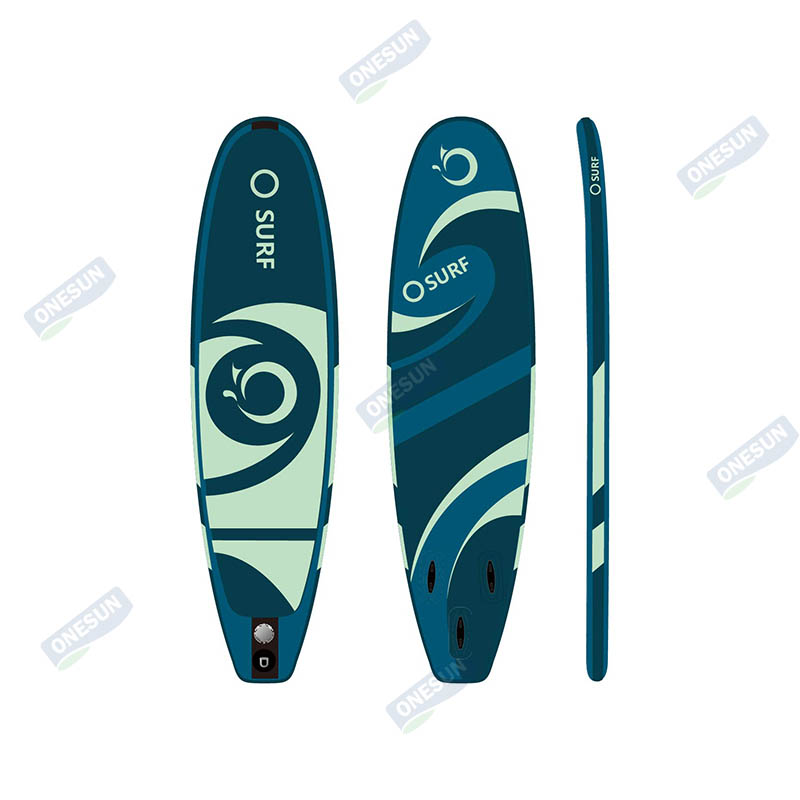
Pagaie et laisse
On ne peut pas pagayer sans une bonne pagaie. Pour choisir la bonne taille, placez la pagaie à la verticale et tendez le bras. La poignée doit toucher votre poignet lorsque votre bras est tendu. Tenez la pagaie d'une main sur le dessus et de l'autre à environ soixante centimètres du manche. Assurez-vous que la pale soit inclinée vers l'avant.
La leash est tout aussi importante. Elle permet de garder votre planche près de vous en cas de chute. Vous devez porter une leash droite ou enroulée, attachée à votre cheville. Une extrémité se fixe à votre cheville ou à votre mollet, et l'autre à l'anneau en D de la planche.
Conseil: Utilisez toujours un leash. Il empêche votre planche de dériver et assure votre sécurité.
Accessoires indispensables pour les débutants :
- Pagayer
- Laisse
- Dispositif de flottaison individuel (DFI)
Dispositif de flottaison individuel (DFI)
La sécurité avant tout. Le port d'un gilet de sauvetage est obligatoire pour la pratique du paddle en dehors des zones de baignade ou de surf. Même si vous savez bien nager, un gilet de sauvetage peut vous sauver la vie. Les enfants doivent porter un gilet de sauvetage en permanence. Les adultes doivent en avoir un à bord.
Voici ce que vous devez savoir :
|
Exigence |
Description |
|---|---|
|
Exigence PFD |
Les planches à pagaie sont des embarcations. Le port d'un gilet de sauvetage est obligatoire en dehors des zones de surf. |
|
Types de gilets de sauvetage |
Les gilets de sauvetage gonflables de type ceinture ou les gilets en mousse conçus pour les sports de pagaie sont les plus adaptés. |
|
Importance de la sécurité |
Le port d'un gilet de sauvetage vous aide à rester en sécurité, surtout loin du rivage. |
Note: Emportez un sifflet de sécurité et une lampe si vous pagayez après la tombée de la nuit.
Pompe et kit de réparation
Si vous utilisez une planche gonflable, il vous faut une pompe et un kit de réparation. Les meilleures pompes électriques, comme l'Outdoor Master Shark III, gonflent votre planche en cinq minutes environ. Privilégiez une pompe à deux étapes pour un gonflage plus rapide.
Votre kit de réparation devrait inclure des adhésifs comme le HH-66, le Clifton Urethane, le Stabond ou l'AquaSeal. Ils permettent de réparer les petites fuites ou déchirures.
-
Ayez toujours une trousse de réparation à portée de main.
-
Utilisez les adhésifs recommandés pour les réparations.
Sac et rangement pour planche
Vous voulez que votre planche dure longtemps. Rangez-la correctement pour la garder en bon état.
Suivez ces étapes :
-
Réduisez la pression à 10-15 PSI si vous utilisez un support de rangement.
-
Posez la planche à plat ou suspendez-la de manière stable pour éviter les plis.
-
Retirez l'aileron central avant d'enrouler la planche.
-
Ne jamais plier la planche. En cas de manque de place, enroulez-la fermement de l'arrière vers l'avant.
-
Assurez-vous que la planche soit bien sèche avant de la ranger afin d'éviter les moisissures.
Appeler: Évitez de laisser votre planche entièrement gonflée en plein soleil. Cela prévient les dommages et la garde prête pour votre prochaine aventure.
Pour choisir la planche de SUP qui vous convient, tenez compte de sa stabilité, de sa taille et de l'usage que vous souhaitez en faire. Les planches plus larges et plus épaisses offrent un meilleur équilibre et une plus grande sécurité. Avant d'acheter, examinez le type de coque.
|
Type de coque |
Idéal pour |
Caractéristiques de performance |
|---|---|---|
|
Planification |
Loisirs, yoga, surf |
Stable, facile à manœuvrer |
|
Déplacement |
Forme physique, tourisme, course |
Rapide, efficace, idéal pour les longues distances |
|
Hybride |
De nombreuses activités, toutes les eaux |
Stable, traverse l'eau facilement |
N'oubliez pas de choisir une pagaie adaptée à votre taille. Achetez les accessoires indispensables pour votre planche. Fixez-vous de petits objectifs, suivez vos progrès et amusez-vous en apprenant le SUP !
FAQ
Quelle taille de planche de paddle devrais-je choisir en tant que débutant ?
Il vous faut une planche de paddle de 3,20 m à 3,35 m de long et de 81 cm à 86 cm de large. Ces dimensions offrent une excellente stabilité et facilitent grandement l'apprentissage du stand up paddle.
Les planches de paddle gonflables sont-elles adaptées aux débutants ?
Oui ! Les planches de paddle gonflables conviennent parfaitement aux débutants. Elles sont faciles à transporter et à ranger, même dans les petits espaces. De plus, elles offrent une sensation de stabilité et de sécurité idéale pour l'apprentissage.
Quelle est la différence entre les planches de paddle gonflables et les planches de paddle rigides ?
Les planches de paddle gonflables sont légères et faciles à transporter. On peut les ranger dans un sac. Les planches rigides, aussi appelées planches solides, offrent une meilleure sensation de vitesse sur l'eau, mais sont plus lourdes et plus difficiles à ranger. Les planches gonflables sont idéales pour les voyages et les petites voitures.
Comment entretenir ma planche de paddle gonflable ?
Rincez votre planche de paddle gonflable à l'eau douce après chaque utilisation. Séchez-la avant de la ranger. Rangez-la dans un endroit frais et sec. Évitez de l'exposer longtemps au soleil. Utilisez le kit de réparation en cas de petite fuite.
Puis-je utiliser ma planche à pagaie pour différentes activités ?
Oui ! Vous pouvez utiliser votre paddle pour pagayer en eau calme, faire du fitness ou même sur de petites vagues. Les paddles gonflables polyvalents vous permettent de pratiquer de nombreuses activités. Si vous souhaitez surfer ou faire de la compétition, il vous faudra peut-être une planche spéciale.


 IPv6 RÉSEAU PRIS EN CHARGE